A river cruise along the Mekong provides an exceptional way to experience Southeast Asia, offering insights into the cultures and landscapes of Vietnam, Cambodia, and Laos. This method of travel allows visitors to witness the river's central role in the lives of local residents, from the agricultural heartland of the Mekong Delta to ancient capitals. Such journeys are gaining recognition for their blend of relaxation and cultural engagement, presenting an alternative to traditional land-based exploration.
The Allure of Mekong River Journeys
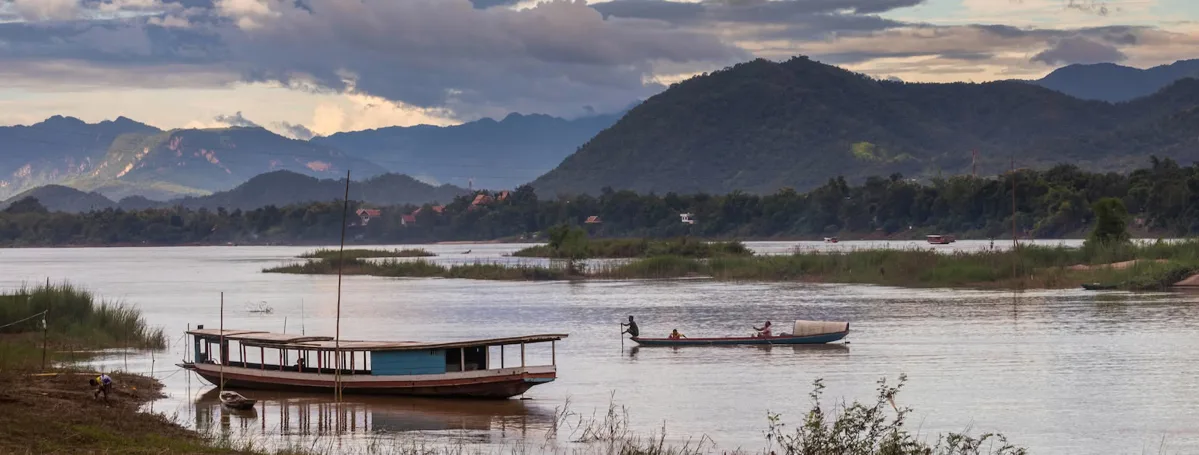
Traveling by river offers a distinct vantage point, allowing passengers to observe the intricate relationship between communities and the waterways that sustain them. The Mekong, serving as a primary transportation route across Indochina, facilitates access to areas that might be less accessible by road. These cruises are designed to showcase the region's unique heritage, providing a deeper understanding of its history and contemporary life.
Unlike some European river cruises, a Mekong journey presents a different kind of travel experience, characterized by its focus on local interaction and the natural environment. The pace of river travel encourages reflection and observation, making it suitable for those seeking more than just sightseeing. It’s an opportunity to connect with the essence of Southeast Asian life.
Key Destinations and Cultural Experiences
Mekong River cruise itineraries often feature a range of culturally significant stops. Passengers typically visit major cities and historical sites, alongside opportunities to explore local markets, colonial structures, and ancient religious buildings. The specific destinations and activities depend on the cruise duration and chosen route, but common highlights include:
- Capital Cities: Journeys frequently include stops in Vientiane, the capital of Laos, and Phnom Penh, the capital of Cambodia, both situated directly on the Mekong.
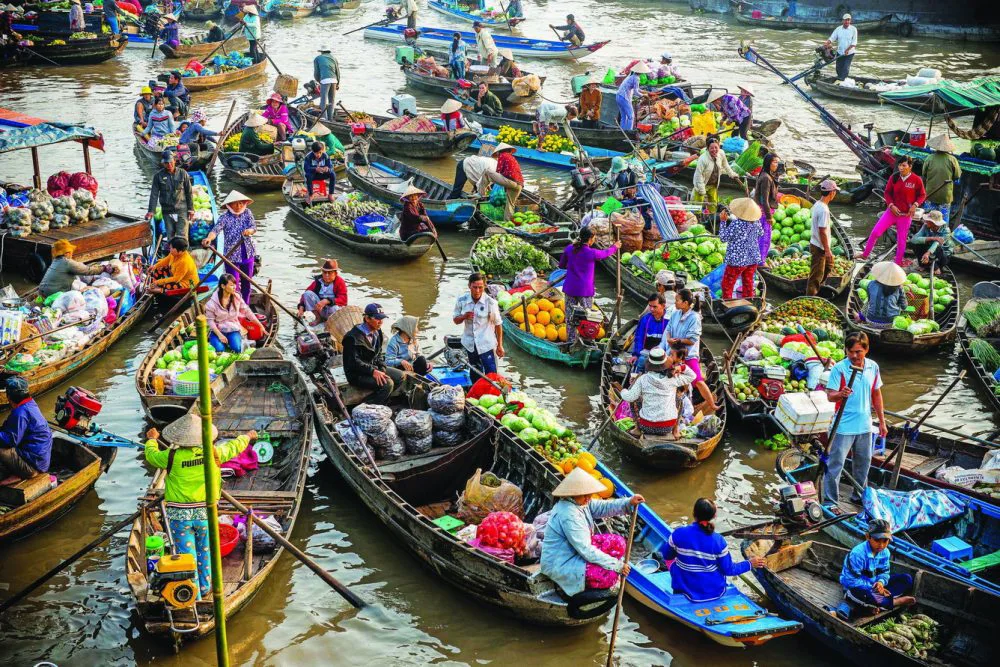
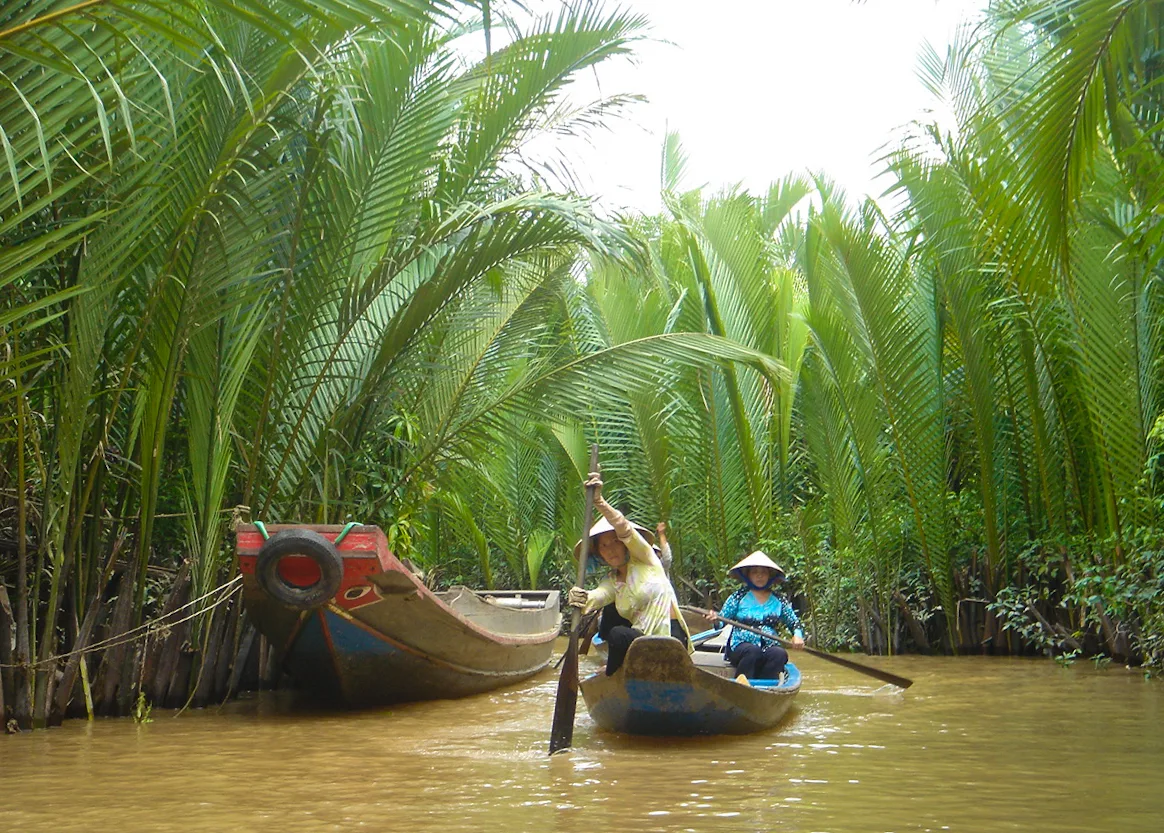
- The Mekong Delta: In southern Vietnam, the delta region offers a glimpse into a world where life revolves around the water, characterized by extensive waterways and agricultural activity.
- Ho Chi Minh City: Cruises may begin or end near this major Vietnamese city, formerly known as Saigon, providing a contrast between urban energy and rural tranquility. For those managing finances during their trip, information on banking services in Ho Chi Minh City can be helpful.
- Angkor Temples: Depending on water levels, some cruises extend across Cambodia's Tonle Sap Lake, offering access to the renowned ancient temples of Angkor near Siem Reap.
- Floating Villages: On Tonle Sap Lake, entire communities reside in villages built on the water, complete with floating schools, markets, and service stations, demonstrating remarkable self-sufficiency.
- Traditional Crafts: Visits to stilt houses and villages allow travelers to observe local artisans practicing traditional methods of silk weaving, pottery making, and other handicrafts. Exploring these local markets also provides opportunities to find unique purchases from a trip to Vietnam.
- Wildlife: Further north in Cambodia, areas like Kratie are known as habitats for the rare Irrawaddy freshwater dolphin, offering wildlife viewing opportunities.
These excursions aim to provide a comprehensive view of the region, from its historical monuments to the everyday routines of its inhabitants.
Contrasting Landscapes: Vietnam and Cambodia
A journey along the Mekong River distinctly highlights the differences between Vietnam and Cambodia. The Vietnamese Mekong Delta is often characterized by its dynamic activity, with numerous boats, agricultural lands, and a palpable energy reflecting its role as a key economic area. Here, the river branches into countless tributaries, creating a rich, fertile landscape.
In contrast, the Cambodian sections of the Mekong often present a more serene atmosphere. The river flows through pastoral settings, past quieter towns and villages, offering moments of calm reflection. This difference in character, from the energetic delta to the peaceful Cambodian countryside, provides travelers with a varied and compelling experience, showcasing the diverse cultural and geographical facets of Indochina.
Practicalities of a Mekong River Cruise
Opting for a river cruise can simplify travel logistics when exploring multiple destinations in the region. The convenience of a floating accommodation means passengers avoid the repeated process of checking into and out of hotels and navigating potentially uneven road conditions between cities. This makes it possible to connect significant locations such as Ho Chi Minh City, Phnom Penh, and Siem Reap within a single, continuous journey.
Cruise operators offer various itineraries, ranging in length and the level of luxury provided. Some vessels are larger and more opulent, while others offer a more intimate, boutique experience. The choice of cruise can be tailored to individual preferences, whether seeking extensive cultural immersion or a more relaxed pace. It is advisable to verify current water levels for routes involving Tonle Sap Lake, as navigation can be affected during certain times of the year, potentially leading to alternative routes further upriver to places like Kampong Cham and Kratie.
Planning Your Mekong River Adventure
When considering a Mekong River cruise, it is beneficial to research different cruise lines and their specific itineraries. Factors such as the duration of the trip, the types of excursions offered, and the onboard amenities will influence the overall experience. Reading traveler reports can offer insights into what to expect from various operators and routes.
Travelers should also consider the time of year for their journey. Water levels in the Mekong and Tonle Sap Lake fluctuate seasonally, which can impact accessibility to certain areas. Typically, the wet season (May to October) brings higher water levels, while the dry season (November to April) sees lower levels. Understanding these seasonal variations can help in selecting the most suitable cruise and itinerary for your travel preferences.
Frequently Asked Questions
What countries can be visited on a Mekong River cruise?
Mekong River cruises typically include destinations in Vietnam, Cambodia, and sometimes Laos, depending on the specific itinerary and the navigable sections of the river.
What types of cultural experiences are common on these cruises?
Passengers can expect to visit floating markets, ancient temples, colonial buildings, and local villages. Opportunities to observe traditional crafts, interact with local communities, and learn about regional history are often included.
How does a Mekong River cruise differ from a European river cruise?
Mekong cruises often focus more on the daily life and rural landscapes of Southeast Asia, offering a distinct cultural immersion compared to the historical cities and established tourism infrastructure found along European rivers.
Are there options for different budgets and travel styles?
Yes, the Mekong River cruise market includes a range of options, from larger, more luxurious ships to smaller, boutique vessels, allowing travelers to choose an experience that aligns with their budget and preferred style of travel.
What should I consider regarding the best time to travel?
The best time to travel depends on water levels and weather preferences. The dry season (November to April) generally offers pleasant weather and stable water levels, though some routes involving Tonle Sap Lake might be affected by lower water. The wet season (May to October) brings higher water, which can open up certain routes but also means more rain.