Spanish citizens planning a visit to Vietnam can benefit from specific guidance regarding entry requirements, travel logistics, and cultural insights. This article provides practical details for organizing a trip, from understanding visa policies to navigating flight options and exploring popular destinations. With a visa exemption for short stays, Vietnam is an accessible destination for travelers departing from Spain.
Planning Your Trip to Vietnam from Spain
For Spanish passport holders, entry into Vietnam is permitted for stays up to 15 days without the need for a visa. This policy simplifies short-term travel. However, for visits exceeding this duration, or for business travel purposes, appropriate visa documentation must be obtained. It is always advisable for travelers to verify current regulations with the Vietnamese embassy or consulate before their departure, as policies can change.
Vietnam hosts a notable Spanish-speaking community, particularly in larger cities like Hanoi. This is partly due to historical educational exchanges with Cuba during the 1980s, which fostered a connection, and a growing number of Vietnamese students currently studying Spanish locally and abroad. Additionally, football, especially Spain's La Liga, enjoys considerable popularity across the country, further connecting the two cultures.
Should assistance be required during a stay, the Embassy of Spain in Hanoi is available for support. Its details are as follows:
- Address: No 4 Le Hong Phong Street, Ba Dinh District, Hanoi
- Telephone: +84 24 3771 52 07
- Email: emb.hanoi@maec.es
- Office Hours (as of 2021): 08.30 – 16.00, Monday to Friday. (Travelers should confirm current hours before visiting.)
Spain represents a significant and expanding tourism market for Vietnam. Statistics from the Vietnam Ministry of Culture, Sport and Tourism indicated over 77,000 Spanish tourist arrivals in 2018, marking a 108% increase from the previous year. Asia generally sees high tourist interest from June to August. Vietnam's visa exemption policy, improved air connections, and active tourism sector support have contributed to this growth in tourist exchange between the two nations.
Air Travel Options from Spain to Vietnam
Travelers departing from Spain have various flight choices to reach Vietnam, with routes typically originating from major cities such as Barcelona and Madrid. Direct flights are not commonly available, so most journeys involve at least one layover. Common transit hubs include major international airports in cities like Paris, Doha, Dubai, Bangkok, and Hong Kong. Primary arrival points in Vietnam are the international airports in Hanoi, Ho Chi Minh City, and Da Nang.
Airlines frequently serving these routes include Emirates Airline, Qatar Airways, Cathay Pacific, Korean Air, Vietnam Airlines, and Air France. Among these, Emirates, with connections through Dubai or Doha, often provides competitive pricing. Round-trip fares for these routes were approximately $650 to $950 USD as of 2021-2022, though prices are subject to change based on seasonality, booking time, and airline promotions. It is recommended to book flights well in advance for better rates and availability.
Suggested Itineraries and Key Destinations
A trip duration of 10 to 14 days is generally recommended for visitors from Spain, allowing sufficient time to explore many prominent sites without feeling rushed. Itineraries can be structured to move from North to South or vice versa, depending on international flight arrangements and personal preferences. This flexibility allows travelers to tailor their journey to specific interests.
Vietnam offers a diverse range of experiences, from historical cities to natural landscapes and cultural encounters:
- Hanoi: The nation's historic capital, known for its rich past, colonial architecture, and serene lakes.
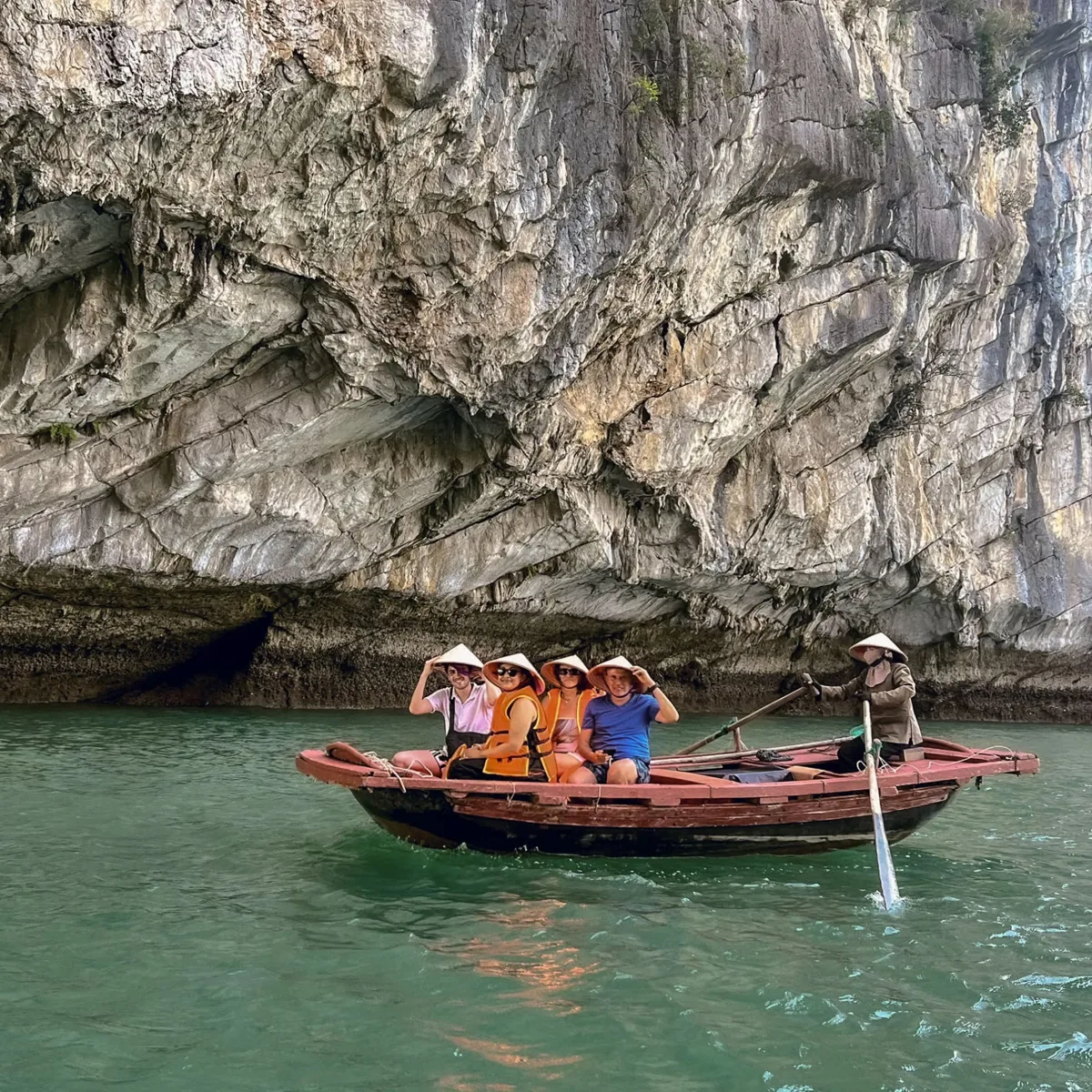
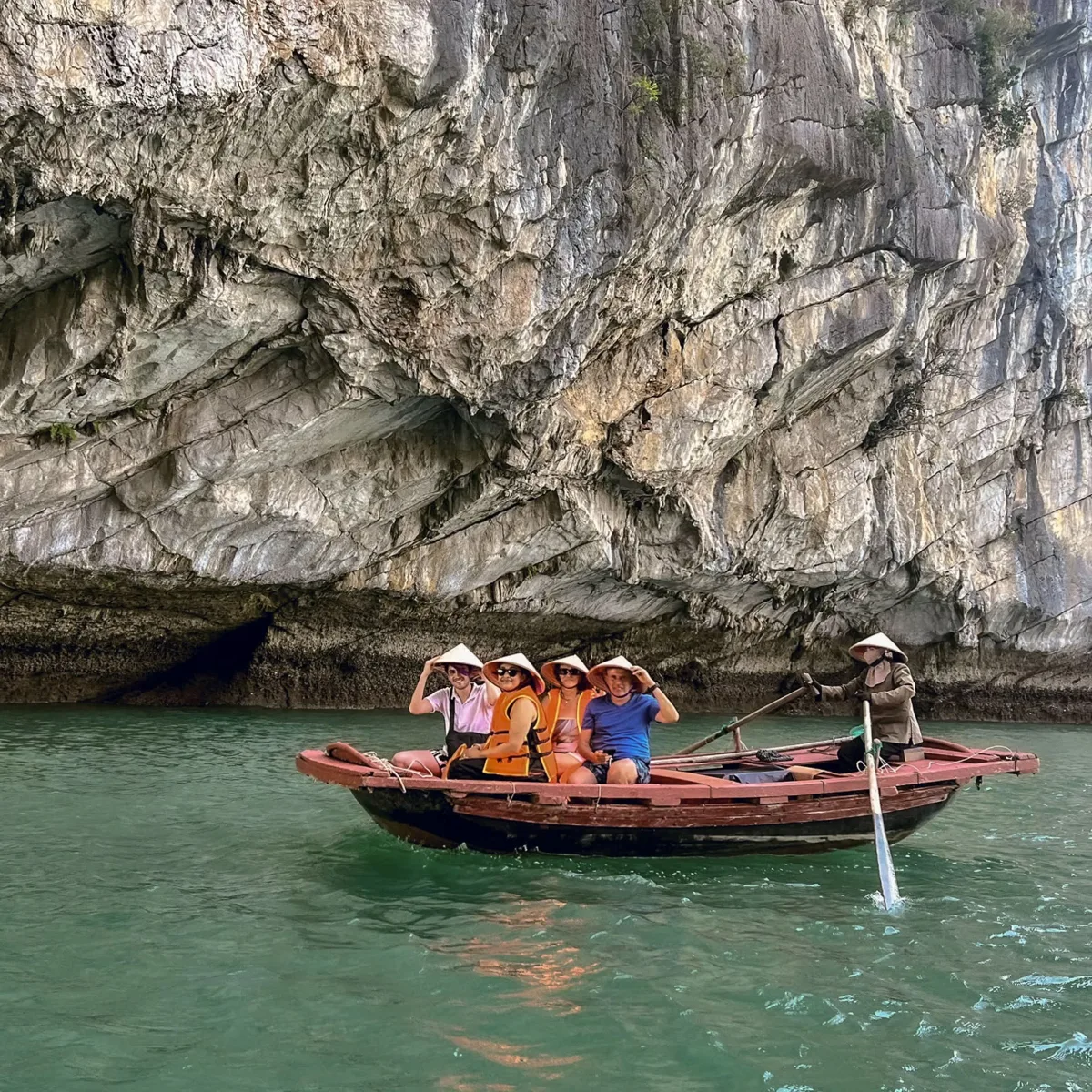
- Halong Bay: A UNESCO World Heritage site, famous for its thousands of limestone karsts and islets. Visitors can explore the best beaches in Halong Bay or enjoy boat cruises.
- Sapa: A mountainous region showcasing terraced rice fields and the distinct culture of the H'Mong and other ethnic minorities. For those interested in mountain exploration, consider experiencing Mount Fansipan's cable car.
- Hue: Recognized as one of Vietnam's most historically significant towns and a former imperial capital, featuring ancient tombs and the Imperial City.
- Hoi An: An ancient town characterized by its rustic, yellow-walled buildings, lantern-lit streets, and tailor shops.
- Da Lat: Often called the "city of mist," it features consistently cool weather, scenic valleys, pine forests, and streets adorned with flowers, offering a different climate experience.
- Ho Chi Minh City: A modern metropolis with architecture influenced by the French colonial era and a dynamic evening atmosphere, serving as the economic heart of the south.
- Cu Chi Tunnels: Located near Ho Chi Minh City, this extensive underground network played a crucial role during the Vietnam War, serving as communication routes, supply lines, hospitals, and living quarters for North Vietnamese fighters.
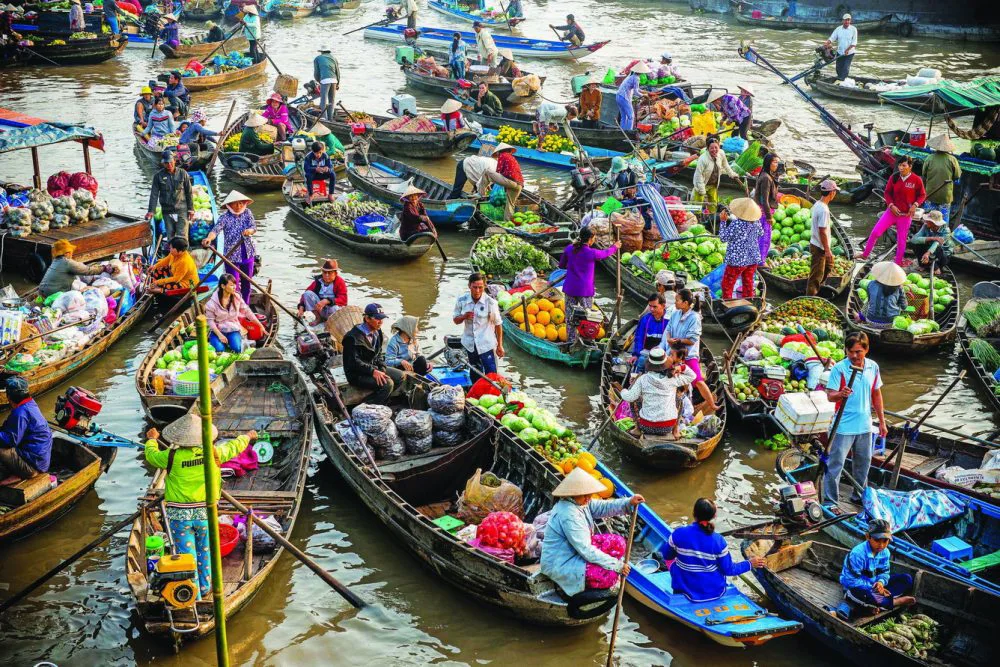
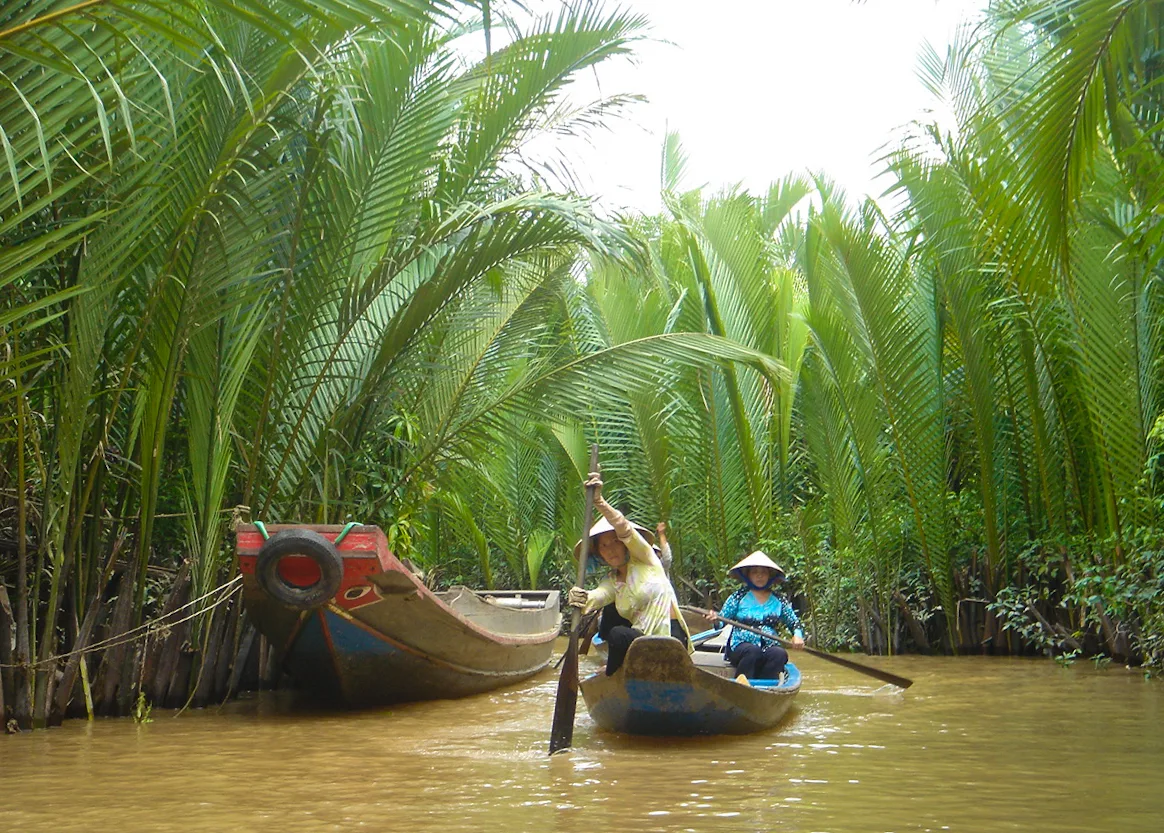
- Can Tho: Considered the primary city of the Mekong Delta, often referred to as Vietnam's "fruit basket," offering river markets and lush agricultural landscapes.
Beyond these popular spots, Vietnam also presents opportunities for exploring remote areas with trekking routes and engaging in activities like cycling tours. Many tour operators offer private tours across Vietnam and extensions into neighboring countries like Cambodia, Laos, Thailand, and Myanmar, including specialized cycling tours. Travelers often find it convenient to arrange international flights independently and then coordinate local arrangements through a trusted agency.
Exploring Vietnamese Cuisine and Local Interaction
Vietnamese culinary traditions are intricate and highly regarded by locals, offering a diverse array of flavors and ingredients that reflect regional variations. Many travelers describe Vietnam as a "food and fruit paradise" due to the abundance and quality of its produce. Street food is a particular highlight, with popular dishes including pho (noodle soup), banh mi (sandwich), bun cha (grilled pork with noodles), and fresh spring rolls. These staples are widely available and offer an authentic taste of local life.
Beyond these well-known items, visitors can sample numerous other savory local specialties such as Bun Bo Nam Bo (southern-style beef noodle salad), Bun Mam (fermented fish noodle soup), Banh Xeo (sizzling pancake), Banh Trang (rice paper dishes), and Hu Tieu Nam Vang (Phnom Penh-style noodle soup). Engaging with local residents is often a rewarding part of the experience, whether at homes, workplaces, or farms. While guides can assist with translation, learning a few basic Vietnamese phrases can significantly enhance interactions and show appreciation for the local culture.
Useful Vietnamese Phrases for Travelers:
- "Xin chao" (Hello)
- "Cam on" (Thank you)
- "Ban co khoe khong?" (How are you?)
- "Toi yeu Viet Nam" (I love Vietnam)
- "Troi oi, ngon qua!" (Wow, this is good!)
For dining in Hanoi, consider these options:
| Establishment | Address | Indicative Price Range (USD) |
|---|---|---|
| Ngon Villa Hanoi | 10 Nguyen Huu Huan Street, Hoan Kiem District | from $20 |
| Home Hanoi | 34 Chau Long Street, Ba Dinh district | from $30 |
| Koto Hanoi | 59 Van Mieu, Dong Da District | from $15 |
| Cau Go Restaurant | 73 Cau Go, Hoan Kiem District | from $22 |
| Grandmas’s restaurant | 63 Duong Thanh, Hoan Kiem District | from $22 |
In Ho Chi Minh City, dining establishments include:
| Establishment | Address | Indicative Price Range (USD) |
|---|---|---|
| The Chateau | 26 Phan Van Tri, Go Vap District | from $15 |
| Home Finest Saigon | 252 Dien Bien Phu, District 3 | from $20 |
| The Chopstick Saigon | 216/4 Dien Bien Phu, District 3 | from $20 |
| Indochina Junk (meal on boat) | 10B Ton Duc Thang, District 1 | from $18 |
Note: Price ranges are approximate and were current as of the source material's publication date (2021). Travelers should expect variations and confirm current pricing directly with establishments.
Frequently Asked Questions
Do Spanish citizens need a visa to visit Vietnam?
Spanish citizens can enter Vietnam without a visa for stays up to 15 days. For longer trips or business purposes, a visa is required. It is advisable to check the most current visa regulations with the Vietnamese embassy or consulate before travel.
What are the main entry points into Vietnam from Spain?
Travelers from Spain typically fly into major international airports in Hanoi, Ho Chi Minh City, or Da Nang. Flights usually involve a layover in cities such as Paris, Doha, Dubai, Bangkok, or Hong Kong, as direct routes are not common.
How long should a trip to Vietnam from Spain be?
A trip lasting between 10 to 14 days is often recommended for Spanish travelers. This duration provides ample time to experience many of Vietnam's key attractions, cultural sites, and diverse landscapes, allowing for a comprehensive visit.
Is Spanish spoken in Vietnam?
While Vietnamese is the official language, a community of Spanish speakers exists in major cities like Hanoi, partly due to historical connections and educational programs. However, it is not widely spoken across the country. Learning a few basic Vietnamese phrases is still beneficial for local interactions.
What are some essential Vietnamese dishes to try?
Popular Vietnamese dishes include pho, banh mi, bun cha, and fresh spring rolls, which are widely available. Other recommended local specialties for visitors to sample are Bun Bo Nam Bo, Banh Xeo, and Hu Tieu Nam Vang, offering a deeper dive into the country's diverse culinary traditions.