Hoa Qua Dam, a Vietnamese mixed fruit dessert, offers a refreshing respite, especially during warmer periods. This popular treat combines various fresh fruits, often served with condensed milk, coconut milk, and shaved ice, creating a sweet and cooling experience. It is widely appreciated for its simple preparation, nutritional value, and affordability, making it a favored snack among locals and visitors alike.
Understanding Hoa Qua Dam: A Popular Vietnamese Dessert
In Vietnam, particularly during hot weather, the desire for something cool and sweet is common. Hoa Qua Dam directly addresses this need, presenting a simple yet satisfying dessert. It typically consists of an assortment of seasonal fruits, cut into bite-sized pieces, then combined with a creamy sauce, often made from condensed milk and coconut milk, and topped with ice. This combination provides both hydration and a burst of natural sweetness, making it a staple street food item.
The versatility of Hoa Qua Dam allows for a wide range of fruit combinations, adapting to what is fresh and available. Common ingredients include mango, papaya, watermelon, jackfruit, longan, and dragon fruit, among others. The balance of textures and flavors, from crisp apples to soft bananas, contributes to its broad appeal, particularly among younger generations seeking a casual and delicious treat.
The Widespread Appeal of Vietnamese Mixed Fruit Salad
The popularity of Hoa Qua Dam stems from several factors, making it a go-to choice for many. Its refreshing qualities are particularly valued when temperatures rise, offering immediate relief. Beyond its cooling effect, the dish is recognized for being a source of nutrients from the fresh fruits it contains. Furthermore, it remains an accessible option for most budgets, aligning with the local preference for affordable, high-quality street food.
Throughout Hanoi, establishments serving Hoa Qua Dam are frequently encountered, from small street stalls to dedicated dessert shops. These venues often attract a steady flow of customers, especially students from nearby educational institutions. The ease of finding and enjoying this dessert contributes significantly to its status as a beloved local specialty, embodying a simple pleasure of Vietnamese culinary culture.
Preparing Your Own Hoa Qua Dam at Home
While enjoying Hoa Qua Dam from a local vendor is part of the experience, preparing a version at home is also straightforward. The key lies in selecting fresh, ripe fruits. A trip to a local market will provide an array of seasonal options suitable for this dessert. After purchasing, the fruits should be thoroughly washed and chilled, as serving them cold enhances the refreshing quality of the dish.
Once the fruits are prepared, they are typically diced and combined in a bowl. The "dressing" is then added, which commonly involves condensed milk, sometimes mixed with a little coconut milk or yogurt. Shaved ice is a crucial component, added just before serving to ensure maximum coolness. While homemade versions can be satisfying, many find that the specific blend of flavors and textures achieved by experienced street vendors is difficult to replicate precisely.
Notable Locations for Hoa Qua Dam in Hanoi
Hanoi offers numerous places to try Hoa Qua Dam, with vendors often found near schools and universities due to student demand. While a comprehensive list would be extensive, several spots have gained recognition for their consistent quality and local following. These locations provide a chance to experience this popular dessert in different settings across the city.
Here are some well-known places to consider when seeking Hoa Qua Dam in Hanoi:
| Establishment | Address | Operating Hours (Local Time) | Approximate Price (USD) | Contact |
|---|---|---|---|---|
| Le Thanh Nghi Fruit Beam | alley 36 Le Thanh Nghi, Hanoi | 9:00 am - 11:00 pm daily | 0.80 per cup | Not supplied |
| Hoa Beo Fruit Shop | 331 Thanh Nhan, Hai Ba Trung District, Hanoi | 8:30 am - 11:30 pm daily | 0.85 per cup | Not supplied |
| To Tich Fruit Beams | No. 24 To Tich, Hoan Kiem, Hanoi | 9:00 am - 11:00 pm daily | 1.00 per person | Not supplied |
These establishments are frequently mentioned by locals and visitors for their offerings. When exploring Hanoi, particularly the Old Quarter or areas with a high student population, you will likely encounter many other vendors serving this refreshing dessert. For those managing finances in the city, understanding local banking options can be helpful when making cash purchases at these smaller stalls. Navigating banking services in Hanoi is straightforward with numerous local and international institutions available.
Tips for Enjoying Vietnamese Fruit Salad
To fully appreciate Hoa Qua Dam, consider a few practical tips. Firstly, always look for vendors with fresh-looking fruit displays, as the quality of the ingredients directly impacts the taste. Many vendors prepare the fruit throughout the day, ensuring a fresh supply. Secondly, do not hesitate to specify your preferences regarding the types of fruit or the amount of condensed milk, as many vendors are accommodating.
While Hoa Qua Dam is generally a safe and hygienic street food option, it is always wise to observe the cleanliness of the stall and the preparation methods. Opting for places that appear popular with locals often indicates reliability. This dessert is particularly enjoyable as a mid-day snack or a light evening treat, offering a sweet conclusion to a meal or a cooling break from the city's warmth.
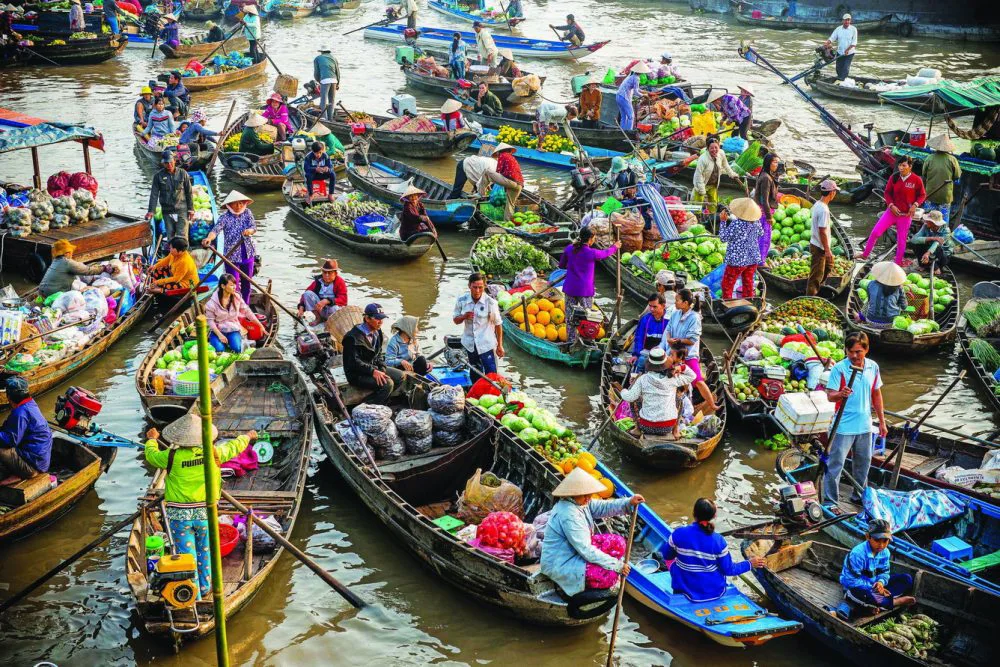
Exploring local markets is another excellent way to experience the fresh produce that goes into dishes like Hoa Qua Dam. These markets also offer a wide array of other local products and traditional crafts. For those interested in unique purchases and souvenirs in Vietnam, the markets provide a rich cultural experience.
Frequently Asked Questions
What exactly is Hoa Qua Dam?
Hoa Qua Dam is a Vietnamese dessert consisting of various fresh, chopped fruits mixed with condensed milk, often coconut milk, and typically served over shaved ice. It is known for its sweet, creamy, and refreshing qualities, making it a popular choice in warm weather.
Is Hoa Qua Dam a common street food in Vietnam?
Yes, Hoa Qua Dam is a very common and popular street food across Vietnam, especially in cities like Hanoi and Ho Chi Minh City. You can find it sold by numerous street vendors and dessert shops, particularly in areas frequented by students and young people.
What types of fruits are typically found in Hoa Qua Dam?
The fruits used in Hoa Qua Dam can vary seasonally, but common selections include mango, watermelon, jackfruit, papaya, dragon fruit, longan, apple, and banana. The combination often provides a mix of textures and flavors.
How much does Hoa Qua Dam usually cost?
Hoa Qua Dam is generally an affordable dessert. Prices typically range from 0.80 USD to 1.00 USD per serving, making it an economical option for a sweet treat.
Can I customize the ingredients in my Hoa Qua Dam?
Many vendors are flexible and may allow you to choose specific fruits or adjust the amount of condensed milk to suit your taste. It is common for customers to request certain combinations or levels of sweetness.