Hanoi in summer presents a distinct experience for travelers, characterized by warm temperatures and a lively atmosphere. While the heat and humidity are notable, the city offers a range of activities and cultural insights that are unique to this season. Visitors considering a summer trip can still enjoy Hanoi's charm by planning appropriately and focusing on specific seasonal attractions.
Understanding Hanoi's Summer Climate
Hanoi experiences a warm and humid summer, typically from May through July. Daily temperatures often range between 30°C and 38°C, with occasional peaks. The air during this period can sometimes contain haze or ash, which is a factor for visitors to consider. Despite these conditions, the entire summer is not uniformly hot, and cooler periods can occur.
The table below provides an overview of typical temperature and rainfall patterns for Hanoi during the summer months, based on historical data. This information can help travelers prepare for the prevailing weather conditions.
| Month | Lowest Temperature | Highest Temperature | Rainfall |
|---|---|---|---|
| May | 25°C | 35°C | 190mm |
| June | 28°C | 38°C | 230mm |
| July | 26°C | 36°C | 299mm |
Seasonal Attractions and Activities in Hanoi
Despite the warm weather, Hanoi offers several engaging activities and sights that are particularly enjoyable during the summer. The city, known for its long history and cultural significance, provides various ways to experience its character.
One of the visual highlights of Hanoi's summer is the appearance of the Phoenix and purple Lagerstroemia flowers. These species, common in tropical South Asia, become a prominent feature of the urban landscape starting in May. The streets of Hanoi often display a combination of purple Lagerstroemia and red Phoenix blossoms, a sight frequently referenced in local songs and poetry, underscoring their cultural importance. These delicate flowers provide a gentle splash of color against the backdrop of the city's lakes, offering a pleasant view whether during a light morning rain or the afternoon warmth.
Cooling Down: Water-Based Fun and Refreshing Treats
To counter the summer heat, Hanoi provides several options for staying cool, from water parks to traditional frozen desserts. These activities are popular among both residents and visitors seeking relief.
Ho Tay Water Park serves as a popular destination for those looking to escape high temperatures. Situated adjacent to West Lake, this facility features a variety of attractions designed for entertainment. The park maintains its water systems using a guaranteed recirculating filtration process. Guests can choose from numerous activities, with a suggestion to begin with less intense options before progressing to more challenging rides to avoid exhaustion. Individuals with pre-existing heart conditions or blood pressure concerns should exercise caution when selecting adventurous attractions. While no specific address, phone number, or operating hours were provided in the source material, the park is known as a significant recreational spot in Hanoi.
For a different kind of water activity, kayaking or paddleboarding on West Lake offers an active way to enjoy the outdoors. These sports allow participants to experience the lake from various positions—standing, sitting, or lying on the board. Beyond being beneficial for physical health, these activities provide an opportunity for social interaction among those who share an interest in exploration. While initially appearing complex, mastering the board is often less difficult than anticipated. Once comfortable, participants can navigate the lake to appreciate its surroundings. These water sports can be both relaxing and, for those inclined, a competitive pursuit.
When it comes to refreshments, traditional ice cream is a favored choice, particularly around Hoan Kiem Lake. Trang Tien Ice Cream is a well-established name, recognized for its cooling and fresh flavors. Popular options include vanilla and chocolate, known for their rich, milky taste. This ice cream is available at an accessible price point throughout the year. The establishment is spacious, accommodating many customers, though patrons should expect to queue during busy periods. Another notable option is Thuy Ta popsicle, a brand that has been available since 1954. Its consistent quality has made it a familiar treat for both locals and tourists, contributing to Hanoi’s distinctive culinary character. No specific addresses, phone numbers, or operating hours for Trang Tien Ice Cream or Thuy Ta popsicle were provided in the source material, but they are typically found near Hoan Kiem Lake.
Exploring Hanoi's Evening Culinary Scene
Food plays a central role in understanding a country's culture, and Hanoi's street food scene offers a rich experience, especially during the evening. The city presents a diverse array of dishes that reflect its distinct seasons.
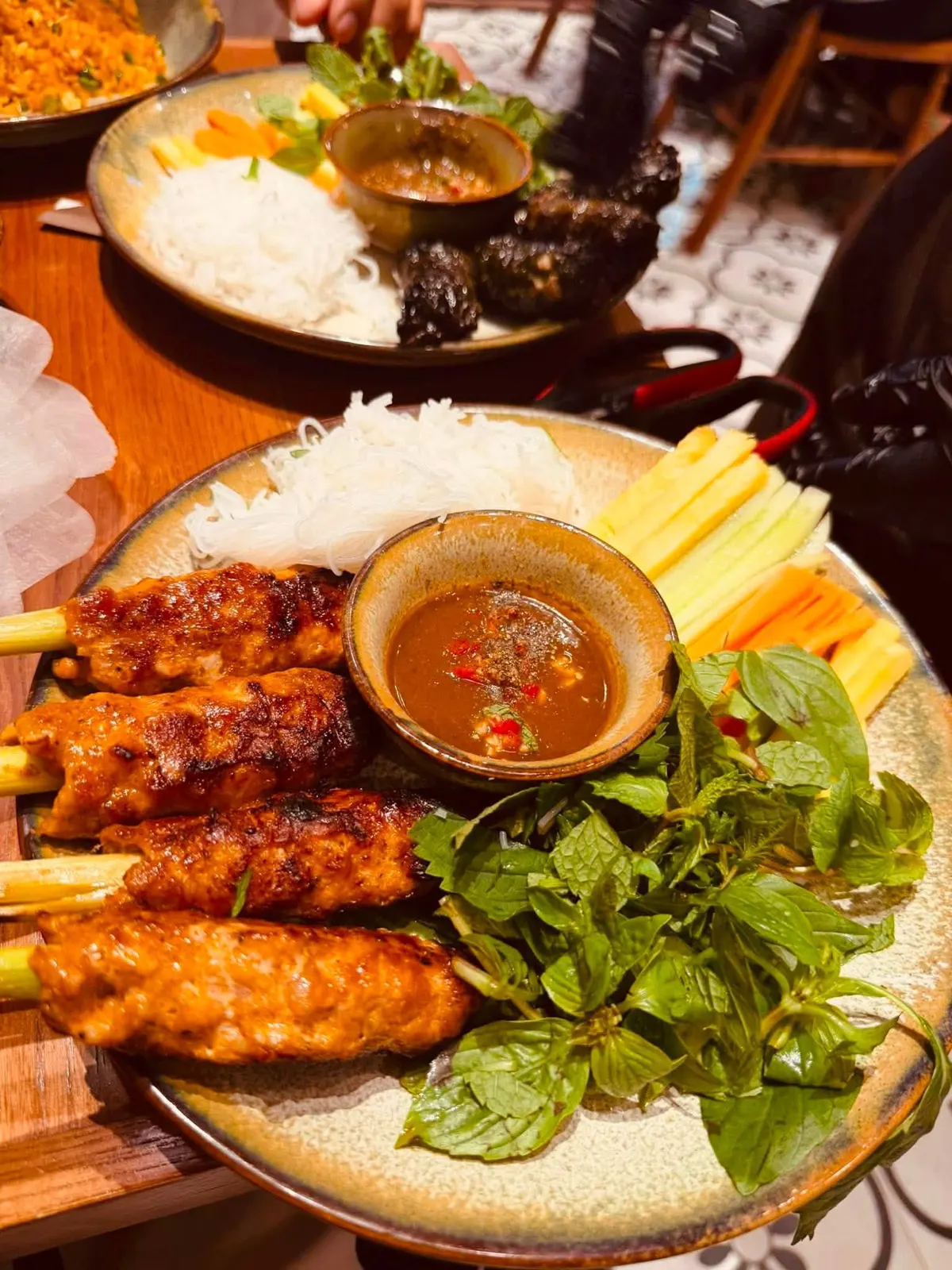
For a summer evening, a glass of apricot water is a refreshing choice, often leaving a lasting impression. As the seasons shift to autumn, the aroma of fragrant nuggets becomes a popular local delight. Beyond seasonal specialties, visitors can enjoy a range of common street foods such as baked potatoes, spring rolls, and particularly Vietnamese baguettes, which are known to awaken the senses with their flavors and textures. Exploring these culinary offerings provides a genuine insight into Hanoi's local life. For those interested in acquiring local products and traditional crafts, understanding the diverse array of options available can enhance the travel experience. A traveler's guide to unique purchases and souvenirs in Vietnam can provide further details.
Essential Travel Advice for a Hanoi Summer Trip
Preparing effectively for a summer visit to Hanoi can significantly enhance the travel experience, helping visitors manage the climate and make the most of their stay.
- Packing Smart: It is advisable to pack light luggage containing only essential items. Common toiletries like toothpaste are often supplied by accommodations. Focus on comfortable, sweat-absorbent clothing suitable for warm, humid conditions.
- Key Documents and Funds: Ensure you carry important documents such as your ID card and passport. Having both cash and an ATM card is recommended for financial flexibility. A camera and chargers are also crucial for capturing memories and keeping devices powered. Creating a checklist before packing can help prevent forgetting important items. For managing finances while in the city, understanding local banking options is essential. Navigating banking services in Hanoi can provide useful information for international visitors.
- Sun Protection: Given the strong summer sun, protecting your skin is important. Using sunscreen and wearing wide-brimmed hats can help block harmful UV rays. To regulate body temperature, staying indoors during the hottest parts of the day and maintaining adequate hydration by drinking plenty of water are effective strategies.
Frequently Asked Questions
Is summer a good time to visit Hanoi?
While Hanoi's summer brings high temperatures and humidity, it also offers unique seasonal experiences like specific flower blooms and water-based activities. With proper preparation for the weather, visitors can still enjoy the city's attractions.
What are the typical temperatures in Hanoi during summer?
During the summer months of May, June, and July, Hanoi typically experiences daily high temperatures ranging from 30°C to 38°C. The climate is also generally humid, with rainfall increasing towards July.
What activities are recommended for summer in Hanoi?
Recommended summer activities include observing the Phoenix and purple Lagerstroemia flowers, visiting Ho Tay Water Park for aquatic fun, kayaking or paddleboarding on West Lake, and trying traditional ice creams like Trang Tien or Thuy Ta near Hoan Kiem Lake. Exploring the local street food scene in the evenings is also popular.
What should I pack for a summer trip to Hanoi?
For a Hanoi summer trip, pack light, sweat-absorbent clothing. Essential items include your ID, passport, cash, ATM card, camera, and chargers. Sunscreen and a wide-brimmed hat are also highly recommended for sun protection.