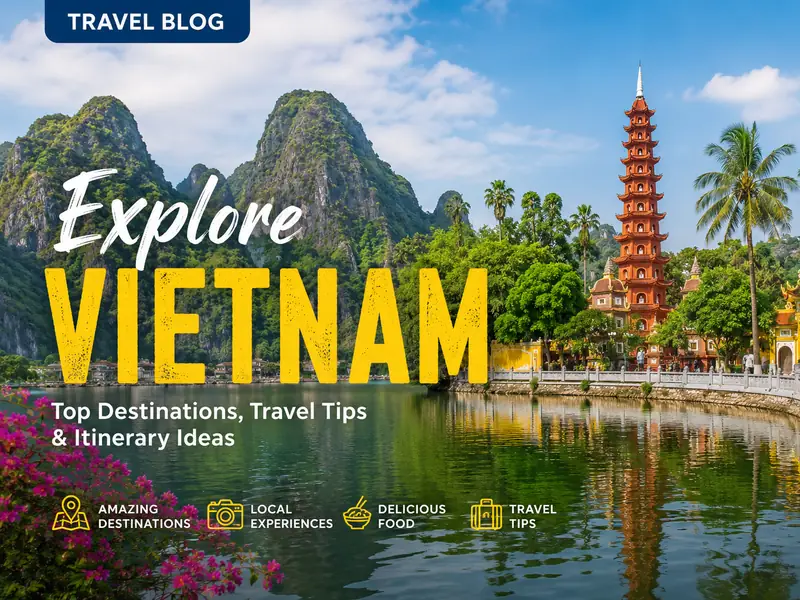
Ho Chi Minh City contains many religious sites that reflect the city’s ethnic and spiritual diversity, including Buddhist pagodas, Taoist shrines, a Hindu temple and Khmer worship places. This article outlines the main temples and pagodas visitors most often seek out, and offers sensible advice on when to go, what to expect and how to behave while inside.
What the temples and pagodas are — background and overview
The city’s religious sites represent several traditions: Vietnamese Mahayana Buddhism, Chinese Taoist practices, Hindu devotion brought by Indian migrants, and Khmer Theravada worship. Some buildings are centuries old; others are modern structures built in recent decades but using traditional architectural elements.
Many of these places were established by particular communities: Chinese settlers founded several Chinese-style temples; Cantonese immigrants established Taoist houses; and a small Indian community built the Mariamman Hindu temple. A number of pagodas also serve as active community centers where classes, ceremonies and seasonal rituals take place.
Common reasons people visit include prayer and worship, cultural and architectural interest, and photography. Because these sites are active places of faith, visitors report quieter atmospheres during weekday mornings and larger crowds on religious holidays and lunar calendar dates.
Key highlights and notable temples in the city
Several temples stand out for their age, architectural details or community role. Thien Hau Temple in District 5 dates to the 18th century and honours the sea goddess typically worshipped by Chinese seafarers; it contains antiques from the late 1700s through the early 1900s. The Jade Emperor Pagoda in District 1 houses hundreds of carved and cast figures and is frequently visited by both worshippers and photographers.
Other sites of interest include Vinh Nghiem Pagoda, known for its tall stone tower and mix of Vietnamese and modern styles; Giac Lam Pagoda, one of the city’s oldest with a seven-storey stupa decorated with thousands of ceramic plates; and the Mariamman Hindu Temple close to Ben Thanh market, which preserves an Indian temple style and a number of Hindu deities.
- Thien Hau Temple (710 Nguyen Trai, Ward 11, District 5) — built 1760, hours 8:00–16:30.
- Mariamman Hindu Temple (45 Truong Dinh Street, Ben Thanh Ward, District 10) — hours 7:00–12:00, 13:00–19:00.
- Vinh Nghiem Pagoda (339 Nam Ky Khoi Nghia, Ward 7, District 3) — hours 6:00–20:00; features a 46-foot stone tower.
- Jade Emperor Pagoda (73 Mai Thi Luu, Da Kao Ward, District 1) — hours 7:30–19:00.
- Giac Lam Pagoda (565 Lac Long Quan, Ward 10, Tan Binh District) — hours 8:00–20:00; noted for ceramic decorations.
Practical tips for visiting temples and pagodas
Dress modestly and remove shoes when required; many places display signage or staff will indicate whether shoes must be left at the entrance. Visitors typically find that mornings are less crowded, while certain lunar calendar dates and New Year celebrations draw larger local crowds.
Transport options vary by site. Many temples are reachable by short motorbike or taxi rides from central District 1; some larger complexes and outlying pagodas sit outside the inner districts and may require a longer taxi or private-car journey. If you plan cross-city travel by rail or long-distance transit as part of a wider itinerary, consult practical guides on booking Vietnam train tickets.
- Carry small cash for incense or donations; many temples do not accept cards.
- Keep voices low and avoid pointing feet toward altars.
- Check opening hours before you go; some sites close briefly midday.
- If you prefer lower humidity and fewer showers, consider timing temple visits during the drier months — see a city weather guide such as Saigon November weather for seasonal planning.
Cultural context and religious practices
Temples and pagodas in Ho Chi Minh City are not only architectural landmarks but also living institutions. Many hold daily chanting sessions, lecture programs, community meals and educational activities. Some pagodas serve as centers for Buddhist study and host seasonal retreats.
Historical events are part of the story at a few sites. For example, Xa Loi Pagoda was prominent during political unrest in the early 1960s and is remembered for protests and self-immolations by monks opposing government policies. That history is a reminder that these places have occasionally intersected with wider social and political movements.
- Religious diversity: Expect Buddhist, Taoist, Hindu and Khmer traditions across different sites.
- Language: Ceremonies and inscriptions may use Vietnamese, Chinese characters or Pali, depending on the community that maintains the site.
Who will appreciate these sites?
These temples and pagodas appeal to several types of visitors. Pilgrims and local worshippers come for specific rituals and merit-making; students of religion and cultural history visit to understand practice and belief; while architecture and art enthusiasts study decorative carving, iconography and mixed stylistic influences.
Families often choose larger complexes with gardens and room for children to move around, and travelers interested in slow, reflective experiences find the quieter, suburban pagodas suitable. Visitors who want a concentrated architectural comparison can plan a short itinerary that includes a Chinese-style temple, a Khmer pagoda and the Hindu Mariamman shrine to contrast styles and iconography.
Comparisons and alternatives — choosing where to go
Which site to prioritise depends on your interests. Choose older, historically significant temples for antiques and age-old rituals; select larger modern pagodas for open grounds and community events; and seek out ethnic-specific temples to observe different devotional practices.
Below is a quick comparison of several notable sites to help decide based on district, tradition, key feature and typical opening hours.
| Name | District | Tradition | Notable for | Opening hours (typical) |
|---|---|---|---|---|
| Thien Hau Temple | District 5 | Chinese (Mazu) | 18th-century construction and antiques | 08:00–16:30 |
| Mariamman Hindu Temple | District 10 | Hindu | Indian temple design and deities | 07:00–12:00, 13:00–19:00 |
| Vinh Nghiem Pagoda | District 3 | Buddhist | Large stone tower and mixed styles | 06:00–20:00 |
| Jade Emperor Pagoda | District 1 | Taoist/Buddhist syncretic | Extensive carved statues and panels | 07:30–19:00 |
| Giac Lam Pagoda | Tan Binh District | Buddhist | Seven-storey stupa and ceramic plates | 08:00–20:00 |
| Pho Quang Pagoda | Tan Binh District | Buddhist | Large campus used for festivals | 06:00–21:00 |
| Phu Chau Floating Temple | Go Vap District | Local folk/Buddhist influences | Unique islet temple with mosaics | Varies |
| Xa Loi Pagoda | District 3 | Buddhist | Modern architecture and historical role | 07:00–17:00 |
Frequently Asked Questions
Do I need to pay to enter these temples and pagodas?
Most temples and pagodas in Ho Chi Minh City do not charge an entrance fee for general visits, though donations are common and there may be small charges for guided tours or photography at some sites. Visitors report that donation boxes are typically available near the main altar.
Are there dress or behaviour rules I should follow?
Yes. Modest clothing covering shoulders and knees is recommended. Shoes are usually removed before entering main prayer halls. Speaking quietly, refraining from flash photography during services, and not pointing feet toward altars are common expectations.
When are the busiest times for visiting?
Religious festivals, lunar new year and key dates on the lunar calendar attract the largest crowds. Weekday mornings are generally less busy, while late afternoons and religious holidays see increased local attendance.
Can I take photographs inside the temples?
Photography is often permitted in communal areas, but restrictions may apply near altars or during rituals. Respect posted signs and staff requests; when in doubt, ask before photographing people engaged in worship.
How can I learn more about temple architecture in Vietnam?
Specialist guides and focused articles on specific sites can provide deeper architectural and historical context. For a nearby example of pagoda history and visiting advice, see the Thay Pagoda guide.