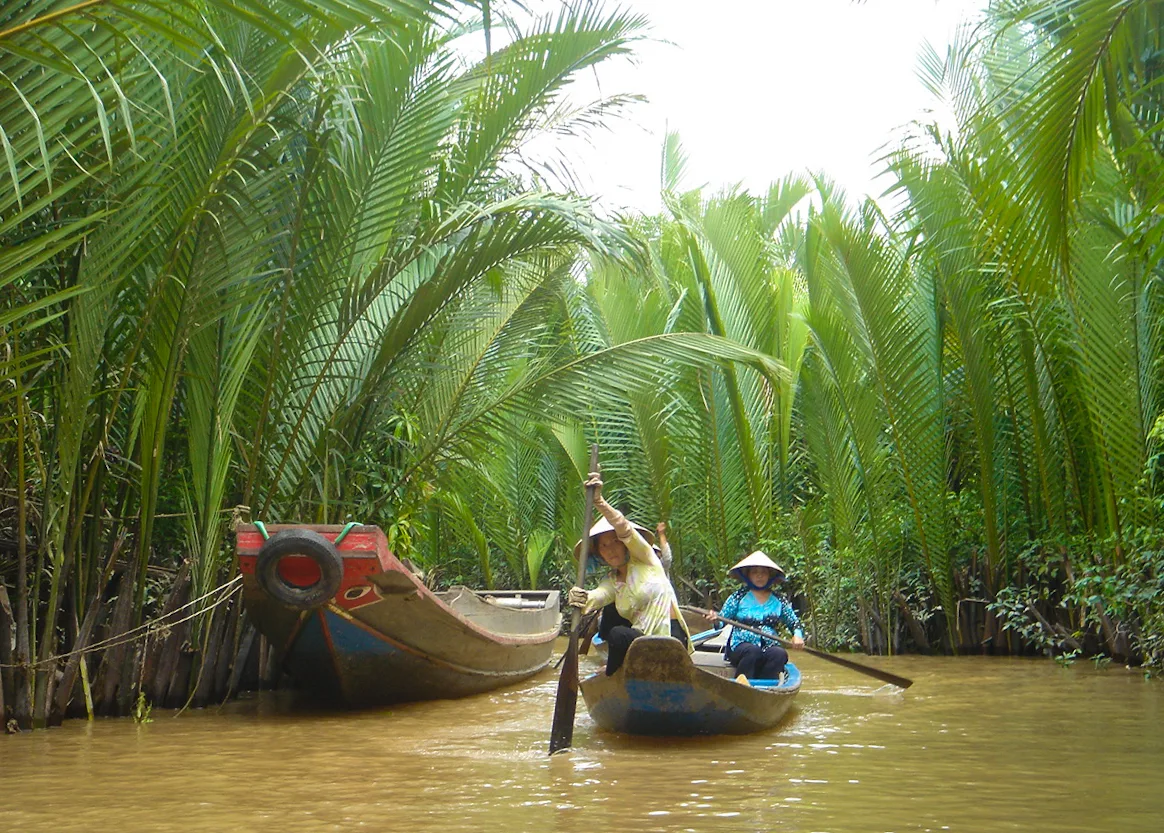
Hoi An, a city renowned for its historical charm and riverside setting, offers visitors unique opportunities to engage with local aquatic life through various fishing experiences. These activities provide not only a chance for recreation but also a deeper insight into the daily routines and cultural heritage of the area's residents, blending leisure with authentic local interaction.
Situated by the Thu Bon River and close to the East Sea, Hoi An's geography naturally supports a range of fishing activities. While the city's past as a significant trading port has evolved, its waterways remain central to local livelihoods. Visitors can observe traditional fishing methods still in practice and participate in excursions that highlight both the natural beauty of the region and the enduring customs of its fishing communities.
The Allure of Fishing in Hoi An's Waters
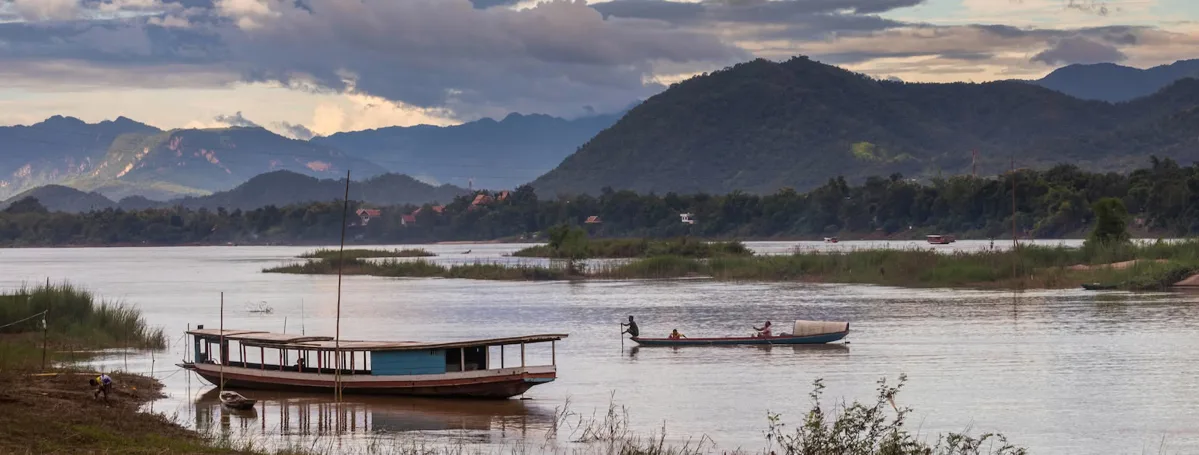
Hoi An's position at the confluence of river and ocean creates a rich environment for various types of fishing. The Thu Bon River, in particular, is home to numerous fish species, making it an ideal location for both local fishermen and visitors seeking a tranquil experience. Away from the city center, the sight of boats navigating the rivers or fishing vessels on the open sea is a common and evocative scene.
Participating in a fishing trip in this historic town offers more than just the prospect of a catch; it's an opportunity to connect with the local way of life. Many tours allow individuals to learn about traditional techniques directly from villagers, providing a hands-on cultural exchange. Whether one is successful in catching fish or other marine life, the primary value often lies in the peaceful atmosphere, the scenic surroundings, and the friendly interactions with the community.
Key Locations for Angling and Aquatic Adventures
Thanh Nam Fishing Village
Located approximately 3 kilometers from Hoi An City, Thanh Nam Fishing Village is easily reachable by bicycle or boat. This village stands out as one of the few places in the Hoi An area where traditional fishing practices are still predominantly used, even with the availability of modern equipment. Here, fishermen employ large nets to catch prawns, crabs, and various fish.
Visitors to Thanh Nam can engage directly with the local population, learning how to cast nets and operate the distinctive round bamboo basket boats used to retrieve fish. This immersive experience provides excellent opportunities for photography, capturing the essence of traditional fishing and the daily lives of the villagers.
Cua Dai River
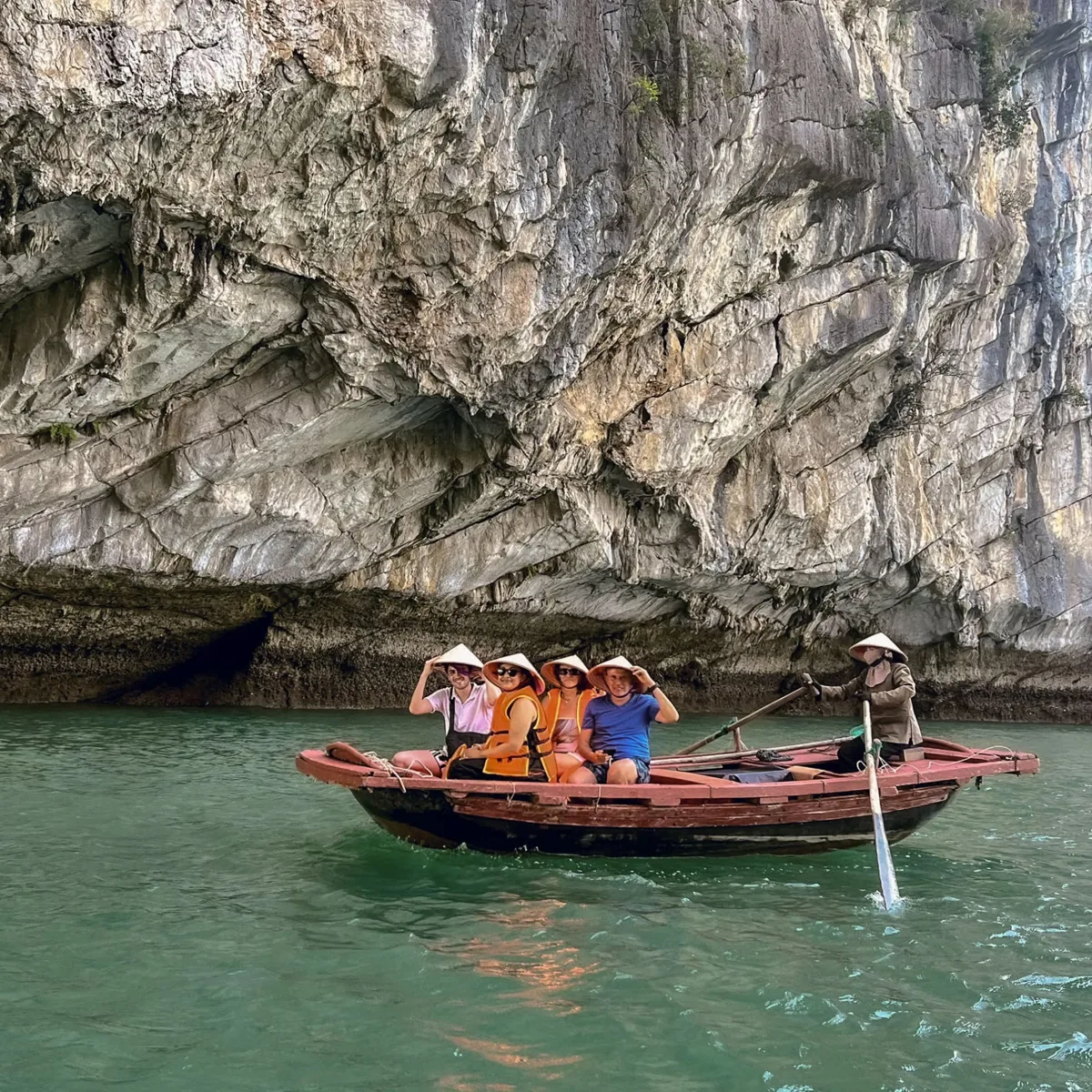
Another prominent location for fishing excursions in Hoi An is the Cua Dai River. Many organized tours to this area incorporate rides in bamboo basket boats, guiding participants through serene mangrove forests and groves of coconut palms. During these trips, guides often share insights into the region's history, including stories from the Vietnam-American War.
Beyond fishing, these tours frequently offer interactive cultural activities, such as learning to craft whimsical hats, flowers, and animal figures from palm leaves. Travelers can also partake in friendly basket boat races, practice casting a round net, and assist in raising large drop nets from the riverbanks. A visit to a local fishing village provides a chance to meet fishermen and their families, observing their daily routines and gaining a deeper understanding of this rural community's customs and lifestyle.
Cham Island (Cu Lao Cham)
For those interested in deep-sea fishing, Cham Island, or Cu Lao Cham, presents an excellent choice. Situated about 18 kilometers from the center of Hoi An, the island is accessible by speedboat in approximately 30 minutes. Upon arrival, visitors typically transfer to a local wooden boat or another speedboat to reach prime fishing spots in the ocean.
While fishing, guests can appreciate the island's natural beauty and expansive sea views. A unique aspect of the Cham Island experience is the chance to join a local family in preparing and cooking the day's catch. The period between March and August is considered ideal for fishing at Cu Lao Cham, characterized by sunny weather and favorable water conditions. Conversely, the remaining months are less suitable due to increased rainfall and the potential for severe storms.
Engaging with Local Fishing Traditions
The fishing experiences around Hoi An are deeply rooted in local traditions, offering visitors a chance to observe and participate in age-old practices. From the intricate process of casting large fishing nets to the skillful handling of bamboo rods, these methods reflect generations of knowledge passed down through the community. The iconic round bamboo basket boats, essential for navigating shallow waters and retrieving nets, are a highlight of many river excursions.
Beyond the act of fishing itself, these tours often extend to broader cultural engagement. Learning to create local products and traditional crafts like palm leaf figures, as offered on Cua Dai River tours, provides a creative outlet and a tangible connection to Vietnamese folk art. Such interactions with local families and guides offer valuable insights into the social customs and daily rhythms of rural life, enriching the travel experience beyond typical sightseeing.
Planning Your Fishing Trip: Essential Considerations
When considering a fishing trip in Hoi An, whether on the river or venturing out to sea, the emphasis is often placed on the overall experience rather than solely on the quantity of fish caught. Many participants find immense satisfaction in the serene landscapes, the welcoming demeanor of the local people, and the opportunity to simply enjoy the moment.
Fishing is widely regarded as a beneficial pastime, known for its capacity to reduce stress and foster a sense of calm. Embracing this activity in Hoi An allows travelers to appreciate the region's natural environment and connect with its culture on a deeper level. For deep-sea excursions to Cham Island, planning your visit between March and August is advisable to ensure the most pleasant weather and sea conditions. Regardless of the specific activity, preparing for sun exposure and bringing a camera to capture the scenic coastal areas and cultural moments will enhance your adventure.
Comparison of Hoi An Fishing Excursions
| Location | Distance from Hoi An | Primary Fishing Type | Key Activities & Features | Best Season |
|---|---|---|---|---|
| Thanh Nam Fishing Village | 3 km | Traditional River Fishing | Net casting, learning local techniques, round boat use, cultural interaction, photography | Year-round (river) |
| Cua Dai River | Varies by tour starting point | River & Estuary Fishing | Basket boat tours, mangrove exploration, palm leaf crafts, cultural village visits, net casting | Year-round (river) |
| Cham Island | 18 km | Deep-Sea Fishing | Ocean fishing, island scenery, preparing catch with locals | March to August |
Frequently Asked Questions
What types of fishing are available in Hoi An?
Hoi An offers a variety of fishing experiences, including traditional river fishing using nets and bamboo rods in areas like Thanh Nam Fishing Village and Cua Dai River, as well as deep-sea fishing excursions around Cham Island.
Is prior fishing experience necessary for these tours?
No, prior fishing experience is generally not required. Many tours are designed to be interactive and educational, with local guides teaching traditional techniques. The focus is often on the cultural experience and enjoyment of the surroundings.
When is the best time of year for deep-sea fishing at Cham Island?
The optimal period for deep-sea fishing around Cham Island is from March to August. During these months, the weather is typically sunny, and the sea conditions are favorable. The remaining months often experience heavy rain and potential storms, making them less suitable.
What other activities can I expect on a fishing tour?
Beyond fishing, tours often include cultural interactions such as visiting local fishing villages, learning about daily life, participating in bamboo basket boat rides, exploring mangrove forests, and even crafting items from palm leaves. Some tours also offer the chance to prepare and enjoy a meal with a local family using the day's catch.
Is fishing in Hoi An suitable for families?
Yes, many fishing excursions in Hoi An are suitable for families. The blend of gentle recreational activity, cultural learning, and scenic boat rides can be enjoyable for various age groups, offering a memorable and educational experience for all.