When planning a trip to Vietnam, female travelers will find the country generally welcoming and safe. Given Vietnam's elongated shape and varied geography, from northern highlands to southern beaches, weather conditions differ significantly by region and season. Therefore, a thoughtful packing strategy is crucial for comfort and cultural appropriateness throughout your visit. This guide outlines key items to consider, helping you prepare effectively for your Vietnamese adventure.
Understanding Vietnam's Diverse Climate Zones
Vietnam experiences a tropical climate overall, but its length means distinct weather patterns across three main geographical divisions. Being aware of these regional differences is essential for selecting appropriate attire and gear.
Northern Vietnam (Hanoi, Halong Bay, Sapa, Mai Chau, Ha Giang)
From November to March, the North can be cool, humid, and foggy, with temperatures typically ranging from 17-22°C. However, clear, sunny days are also possible during this period. The months of May through September bring hot, humid conditions with frequent showers. Travelers visiting in winter should pack warmer layers, while a waterproof jacket is advisable for the rainy season, though such items are readily available for purchase locally at reasonable prices.
Central Vietnam (Quang Binh, Hue, Danang, Hoi An, Nha Trang)
The warmest period in Central Vietnam spans April to August, with average temperatures around 30°C. The rainy season extends from September to December, often characterized by monsoon rains and occasional typhoons, which can lead to localized flooding.
Southern Vietnam (Ho Chi Minh City, Cu Chi, Phu Quoc)
The South generally experiences dry weather from November to April. The monsoon season begins in early May and lasts until October, with the highest rainfall occurring in July and August. This region maintains a consistent average year-round temperature of approximately 30°C.
| Region | Typical Climate | Key Seasons | Temperature Range (approx.) |
|---|---|---|---|
| North Vietnam | Tropical, distinct seasons | Cool/Damp (Nov-Mar), Hot/Humid/Showery (May-Sep) | 17-22°C (Cool), 25-35°C (Hot) |
| Central Vietnam | Tropical, distinct wet/dry | Hot (Apr-Aug), Rainy (Sep-Dec) | ~30°C (Hot) |
| South Vietnam | Tropical, two main seasons | Dry (Nov-Apr), Monsoon (May-Oct) | ~30°C (Year-round average) |
Clothing Recommendations for Various Activities and Regions
When packing for Vietnam, prioritize lightweight, loose-fitting clothing that can be layered. Given the varied climate, you will need items suitable for humidity, potential rain, and cooler evenings, especially in the North.
- Hiking Pants: These are useful for outdoor activities and trekking in mountainous areas like Sapa, Ha Giang, or Mai Chau.
- Jeans/Leggings: Consider packing at least one pair for warmth during the cooler winter months in Northern Vietnam.
- T-shirts: Breathable, lightweight t-shirts are essential for daily sightseeing in warm conditions.
- Long-sleeve T-shirts: Useful for cooler nights or for sun protection during the day.
- Shorts & Tank-tops: Suitable for sports and casual wear. However, avoid wearing these when visiting religious sites such as temples and pagodas, or other sacred locations, where more modest attire is expected.
- Skirt/Dress: A versatile dress can be appropriate for more formal occasions or evenings out.
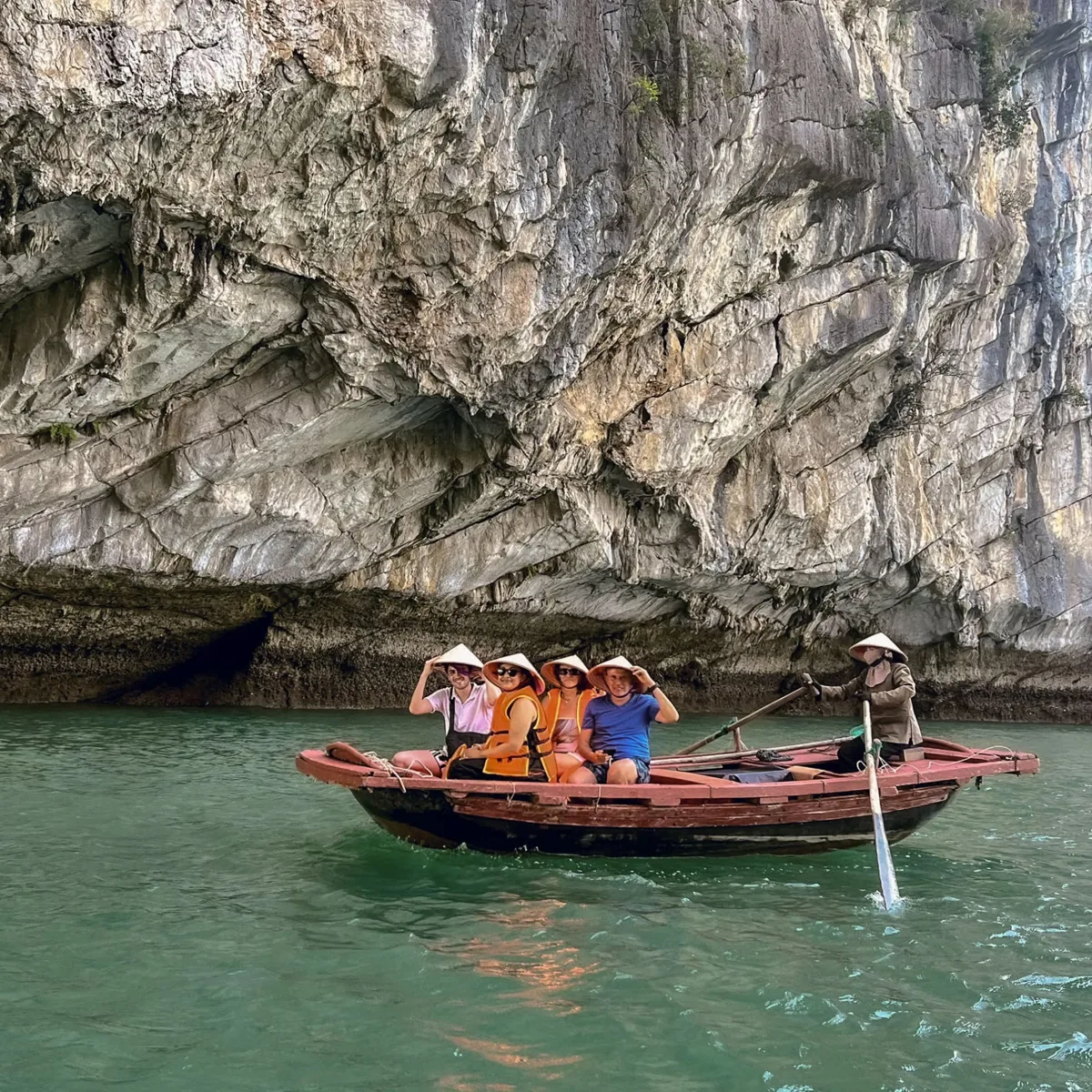
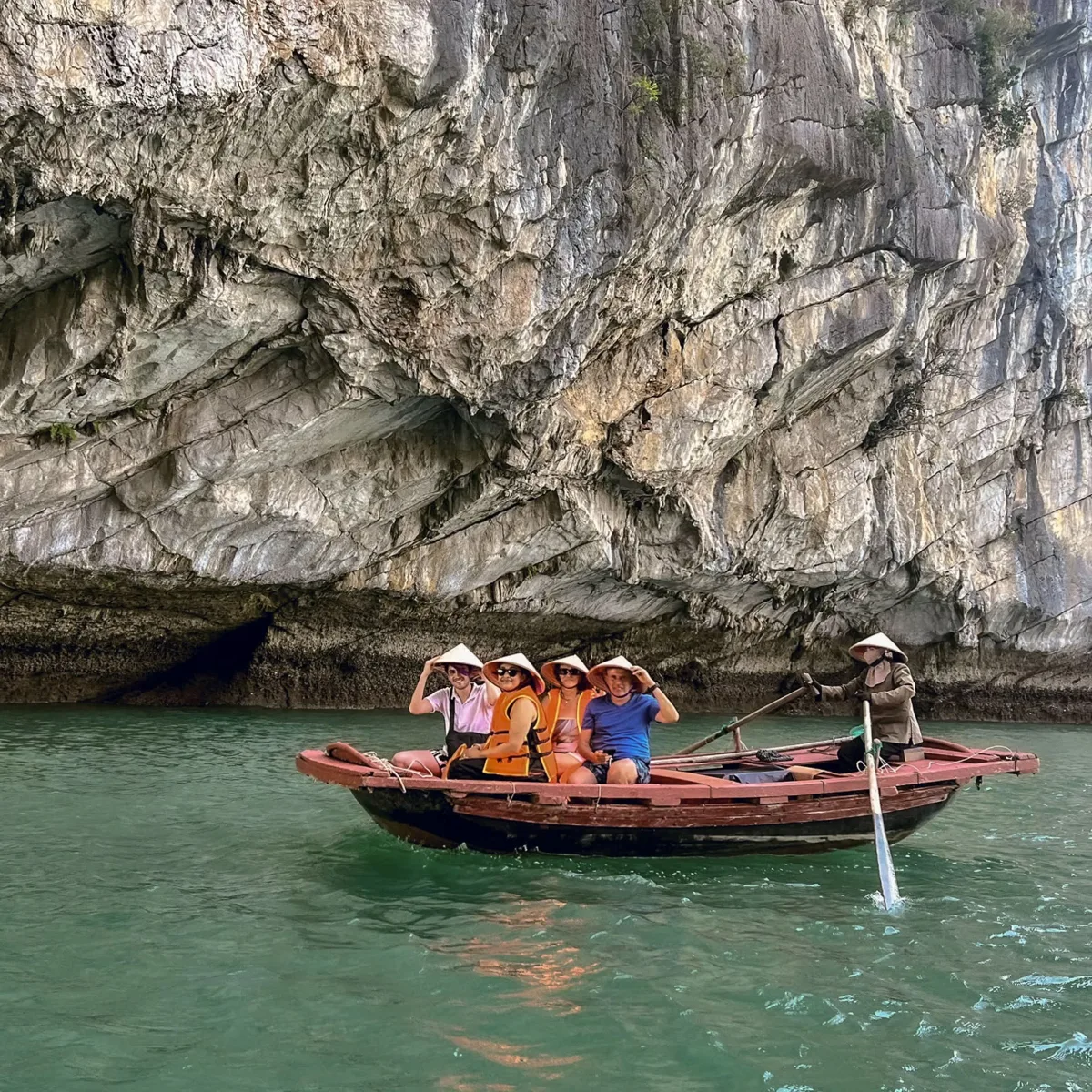
- Bathing Suit/Swimsuit: Vietnam features numerous beautiful beaches and islands, making swimwear essential for swimming or water sports like snorkeling and diving. You can find excellent coastal spots like those in Halong Bay for relaxation.
- Rain Jacket: While the rainy season typically runs from June to October, downpours are often brief (1-2 hours) before the sun reappears. Lightweight rain jackets are widely available and inexpensive to purchase locally.
- Light Jacket or Hoodie: If traveling to Northern Vietnam during the cold season (November to March), particularly in mountainous areas, warmer layers are advisable.
- Underwear: Pack a sufficient supply. Laundry services are commonly available at hotels and local shops at reasonable rates, often around 1 USD per kilogram. This allows for lighter packing, saving luggage space.
Essential Footwear for Your Journey
Comfortable and practical footwear is key for exploring Vietnam's diverse landscapes and urban centers.
- Flip-flops: A simple, inexpensive pair is useful for beaches, wet conditions, or casual wear. These are also easily purchased locally.
- Hiking Shoes: Absolutely necessary for trekking on less-traveled paths in regions like the Northeast of Vietnam, including areas around Mount Fansipan near Sapa.
- Sandals/Flats: These are ideal for sightseeing days in cities such as Hanoi, Hoi An, Hue, and Ho Chi Minh City. Opt for lightweight and comfortable designs.
- Heels (Optional): If you anticipate attending formal events, such as New Year’s Eve celebrations, you might consider packing a pair to wear with a dress.
- Walking Shoes: Recommended for the majority of your trip, providing comfort and support for extended periods of walking.
Personal Care and Health Items
While many personal care items are available in Vietnam, bringing some essentials from home can enhance comfort and reduce waste.
- Toiletries: Although hotels typically provide basic items like toothbrushes, toothpaste, body wash, shampoo, and conditioner, bringing your own can help minimize single-use plastics. Consider refillable travel-sized bottles.
- Sunscreen/Sunblock: Even on cloudy days, UV rays can be strong. Apply sunscreen to protect your skin. A small bottle is convenient, and larger supplies can be bought locally.
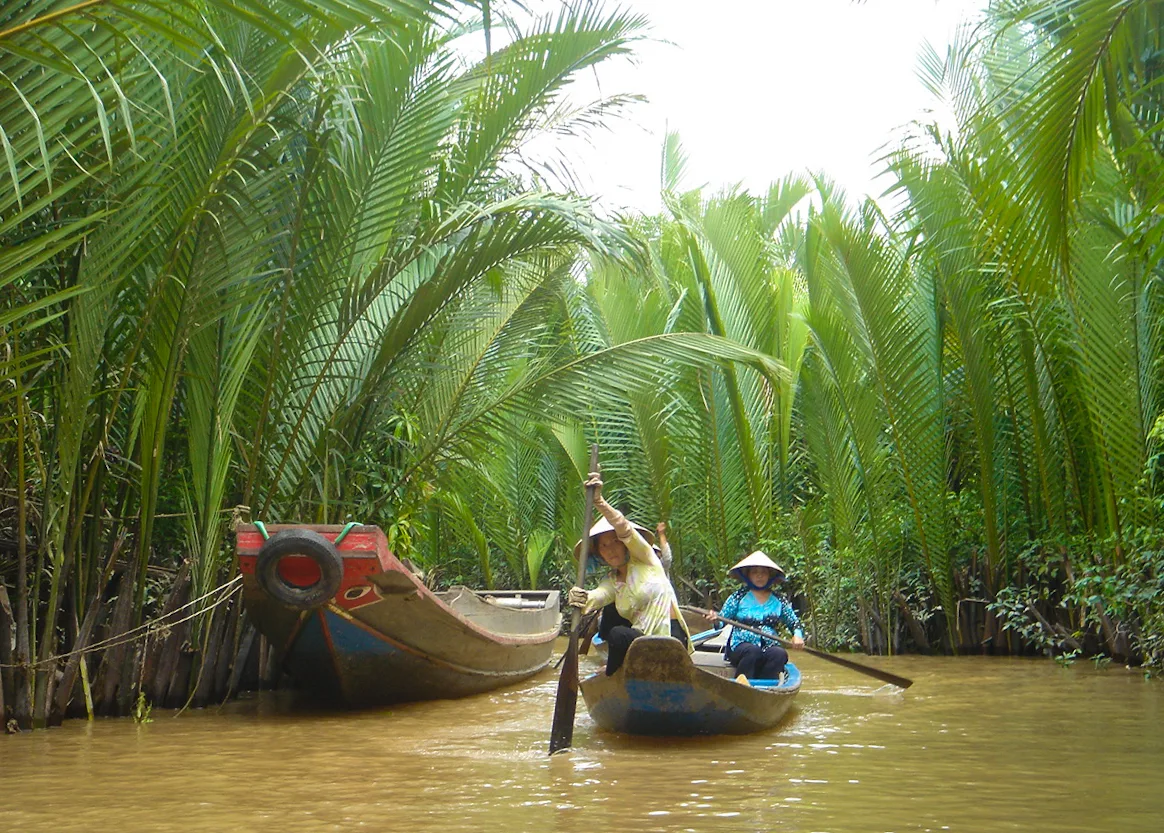
- Mosquito/Insect Repellent: Mosquitoes are more prevalent during the summer months, especially in mountainous regions or the Mekong Delta. Applying repellent is a good precaution. It's worth noting that malaria is not a concern throughout Vietnam, but other mosquito-borne illnesses are present.
- Sunglasses/Sun Hat: These items offer protection from both the sun's glare and dust, particularly when traveling on open-air transport.
Electronics and Travel Documents
Ensure you have the necessary electronics and documentation for a smooth trip.
- Electronics: Consider a lightweight laptop (optional), a camera with ample storage and spare batteries, and your smartphone. Don't forget all necessary chargers.
- Plug Converter/Adapter: Vietnam operates on a 220-volt supply at 50 Hz. If your devices use 110 volts, a voltage converter will be required. The most common plug types are two-pronged.
- Passport: Verify that your passport is valid for at least six months beyond your intended departure date and has at least two blank pages. Carrying photocopies can be useful.
- Vietnam Visa: Arrange your visa in advance or understand the process for obtaining a visa upon arrival at the airport.
- Passport Photos: Bring a few recent passport-sized photos, especially if planning to apply for a visa on arrival.
- Cash, Debit Card, Credit Card: You can withdraw Vietnamese Dong (VND) from ATMs across the country. Currency exchange services are available at airports, hotels, and banks. For managing finances, understanding banking services in Hanoi or other major cities is beneficial.
- International Driving License: Required if you intend to rent and operate a motorbike or car in Vietnam.
Health Preparations and Vaccinations
Prioritizing your health before and during your trip is essential. Consult a healthcare provider well in advance of your departure.
Suggested Vaccinations:
Travel health authorities typically recommend or advise certain vaccinations for Vietnam. It is best to consult with a medical professional 4 to 8 weeks before your trip to review your specific needs.
- Hepatitis A: Generally advised for most travelers due to potential exposure through contaminated food and water.
- Hepatitis B: Recommended for individuals at higher risk, including those who may have unprotected sexual contact, get tattoos or piercings, or require medical or dental procedures.
- Typhoid: Suggested due to the possibility of exposure to unsafe food and water sources.
- Japanese Encephalitis: Advised for travelers spending extended periods in rural areas, particularly during the rainy season (May to October).
- Rabies: Recommended for those at elevated risk of animal bites, especially in rural environments.
- Cholera: May be advised for travelers visiting high-risk or rural locations.
- Tetanus, Diphtheria, and Polio: Routine immunizations that all travelers should ensure are up-to-date.
Malaria and Other Health Notes:
Malaria risk exists in some rural parts of Vietnam. It is crucial to discuss appropriate prevention methods with a healthcare professional, which may include medications, insect repellent, protective clothing, and mosquito nets. For general medical needs, while Vietnam's pharmacies typically stock common medicines, it is wise to bring a basic first-aid kit with remedies for headaches, stomachaches, and colds. Information on local medical facilities, such as the Sapa healthcare guide, can be helpful for travelers.
- COVID-19: Vietnam has reopened for tourism, but travelers should verify any current entry requirements regarding testing or vaccination status.
- Mosquito-borne Diseases: Dengue fever, Zika virus, and Chikungunya are present. Taking precautions to avoid mosquito bites is important.
- Pre-travel Advice: A consultation with a travel health specialist 4 to 8 weeks before departure is strongly recommended to confirm necessary vaccinations and health precautions.
Frequently Asked Questions
Can women wear shorts in Vietnam?
Yes, women can generally wear shorts in Vietnam, particularly in major cities and popular tourist destinations like Hanoi, Ho Chi Minh City, Da Nang, and coastal areas such as Nha Trang and Phu Quoc. The dress code in these urban and beach environments is quite relaxed, and both locals and visitors frequently wear shorts in warm weather. However, it is advisable to choose more modest clothing when visiting religious sites or exploring rural communities.
How safe is Vietnam for female travelers?
Vietnam is widely considered a safe and welcoming country for female travelers, whether journeying alone or with a group. The atmosphere is generally friendly, and serious incidents against tourists are uncommon. While minor issues like petty theft can occur in crowded areas, these can typically be avoided by taking standard precautions. For an organized and stress-free experience, some travelers opt for private tour packages through established local travel agencies, which can offer guidance, reliable transportation, and curated itineraries.
Is it safe to walk around Hanoi at night?
Walking around Hanoi at night is generally considered safe, especially in well-frequented areas like the Old Quarter or around Hoan Kiem Lake. These areas are typically lively and well-lit during evening hours.
Is Vietnam friendly to foreigners?
Yes, Vietnam is known for its hospitable and welcoming approach towards international visitors. Local people often demonstrate warmth, helpfulness, and curiosity towards travelers, contributing to a positive experience for most who visit.