Da Lat, situated in Vietnam's southern region, serves as a popular destination, particularly for domestic travelers seeking a cooler climate. This mountain city, once a French colonial hill station, is characterized by its scenic lakes, extensive flower gardens, dense forests, and charming hillside communities. It presents an appealing choice for those interested in outdoor activities and cultural exploration.
Historical Sites and Unique Architecture in Da Lat
Da Lat's past as a colonial retreat and imperial residence has left a legacy of distinctive buildings and areas that offer insight into its history and design. From the former emperor's summer residence to an unconventional guesthouse, these locations provide a glimpse into different facets of the city's heritage.
Bao Dai’s Summer Palace
This palace served as a summer retreat for Bao Dai, Vietnam's final emperor, who ascended to the throne at the age of 12. Constructed in 1933, the residence offered a cooler alternative during warmer periods in other parts of Vietnam. Visitors can tour the palace to observe how the emperor and his family lived, as the interior largely retains its original furnishings and personal items.
Hang Nga Guest House and Art Gallery (The Crazy House)
Among Da Lat's most unconventional structures is the Hang Nga Guest House and Art Gallery, commonly known as the Crazy House. Designed by Vietnamese architect Dang Viet Nga and completed in 1990, the building mimics the form of a large tree. It features approximately twelve individually themed rooms, along with various tunnels, ladders, and sculptures depicting animals like bears, tigers, and kangaroos. Even if not staying overnight, the exterior alone is worth observing for its distinct architectural style.
Da Lat Cathedral
The Da Lat Cathedral, with its unique appearance that some describe as resembling a gingerbread house, stands as a notable example of local architecture. Construction began in 1931 and concluded in 1942, serving as a place of worship for French colonial residents. The building is topped with a spire and a weather vane shaped like a cockerel. While its exterior can be admired at any time, access to the interior is generally limited to weekend services.
Dalat Train Station
Built in 1943, Da Lat Train Station provides a historical perspective on past travel methods. The station retains its traditional ticket windows and showcases a classic steam locomotive. A wood-burning train operates a roughly 5-kilometer route through a mountain pass, concluding in the village of Trai Mat. It is important to note that a minimum of four passengers is typically required for the train to depart, so travelers might need to wait for others to join.
The French Quarter
The French Quarter represents one of Da Lat's most appealing districts, illustrating the lifestyle of French colonialists during their holidays. Situated along Tran Hung Dao Road, this area features elegant French colonial villas, many dating from the 1920s and 1930s. A stroll through the quarter reveals schools and churches constructed in the same architectural style.
Exploring Da Lat's Natural Scenery and Outdoor Activities
Da Lat is surrounded by lush landscapes, including numerous waterfalls, a significant national park, and a central lake, offering ample opportunities for outdoor exploration and enjoying the region's natural beauty.
Datanla Waterfalls
Datanla Waterfalls are among Da Lat's well-known cascades, easily accessible from the city center. Beyond simply observing the falls, visitors can engage in adventurous activities, such as a small roller coaster ride that descends from the top of the falls to the pools below. For a more relaxed experience, walking paths alongside the waterfall allow enjoyment of the cool mist and the tranquil pools at the base.
Elephant Falls (Lieng Rewoa Waterfall)
Also known by its K'ho ethnic language name, Lieng Rewoa Waterfall, Elephant Falls is generally less frequented than other cascades in the area due to its somewhat challenging access. This offers a quieter experience, allowing visitors to appreciate the peaceful pools and flowing water away from larger crowds. The falls are also located near Linh An Tu Pagoda, making it possible to visit both sites in a single afternoon.
Pongour Falls
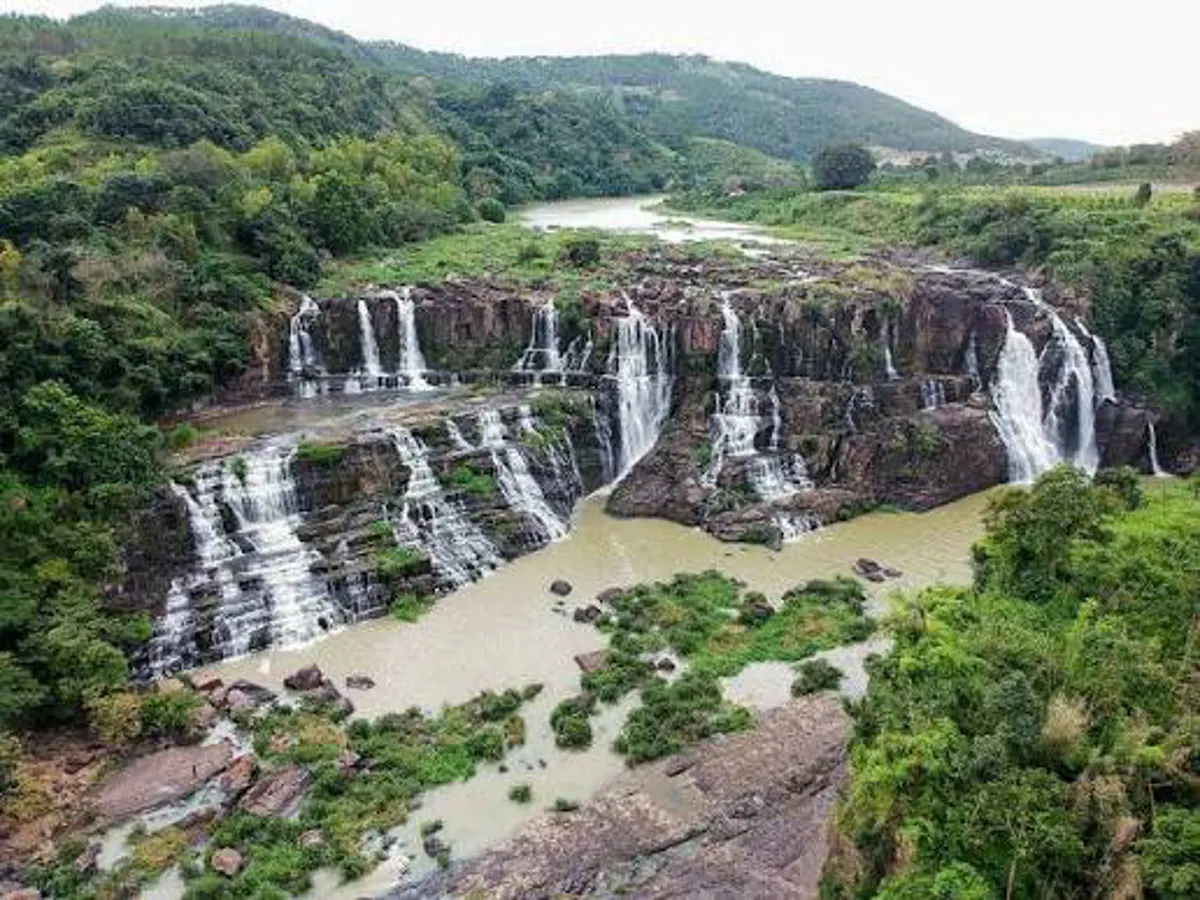
Pongour Falls descends approximately 20 meters from the mountains on the outskirts of Da Lat. During the rainy season, the falls can extend up to 100 meters in width, making them one of Vietnam's largest. The sound of the water impacting the rocks is audible from a considerable distance, and visitors can cool off in the mist at the conclusion of their walk to the site.
Prenn Falls
Prenn Falls is a prominent attraction in Da Lat, with water dropping from a height of 10 meters. The area can become quite busy, particularly on weekends and during major holidays, so planning a visit accordingly is advisable. The falls are approximately a 10-kilometer walk from Da Lat, and alternative access includes a cable car or a path located behind the falls. Choosing the path behind the falls will likely result in getting wet. Prenn Falls is also close to Au Lac Temple, allowing for a combined visit.
Xuan Huong Lake
Xuan Huong Lake, a man-made body of water, serves as a central landmark in Da Lat. The lake is encircled by well-maintained gardens featuring various flowers and native plants, providing a pleasant setting for an afternoon stroll. Its banks are lined with graceful willow and peach trees, and several cafes offer refreshments in a calm environment. Other popular activities include horse and cart rides, as well as pedal boating on the lake itself.
Bidoup Niu Ba National Park
Bidoup Niu Ba National Park encompasses a vast forested area situated on a plateau above Da Lat. The park features extensive bamboo groves and open grasslands, with altitudes ranging from 650 to 2,288 meters. It also contains coniferous woodlands. Members of the local indigenous K'Ho community are available to guide visitors along trails, sharing insights into the local flora and fauna. A visitor center within the park provides information on the history and culture of the K'Ho hill tribes. Located approximately 32 kilometers from Da Lat, the park is suitable for a day trip from the city.
Cultural and Spiritual Sites in Da Lat
Da Lat is home to several significant pagodas, offering visitors opportunities to explore Buddhist traditions and enjoy serene environments with architectural beauty.
Linh Phuoc Pagoda
Linh Phuoc Pagoda is recognized as one of Vietnam's most famous temples, partly due to its 37-meter tall bell tower, which is considered the country's tallest of its kind. The pagoda also features a colorful central hall adorned with murals depicting the life story of Buddha. Surrounded by extensive grounds and lakes, it provides a setting for learning about Buddhist history and culture.
Linh Son Pagoda
For those seeking a less frequented spiritual site, Linh Son Pagoda offers a tranquil experience. This local pagoda is situated on a hill overlooking Da Lat, providing pleasant views of the city. A distinctive feature of the temple grounds is its own tea and coffee plantations, allowing visitors to observe monks harvesting crops when in season.
Truc Lam Pagoda
Truc Lam Pagoda is another notable spiritual site in Da Lat, contributing to the city's array of tranquil and culturally significant locations. While specific details about its features were not provided in the source, its inclusion suggests it is a recognized place of worship and contemplation.
Markets and Gardens: Local Life and Flora
Experience the local rhythm of Da Lat by visiting its market and flower gardens, where the city's agricultural bounty and artistic expression are on full display.
Dalat Flower Gardens
Da Lat has gained recognition for its scenic beauty, particularly its flowers. The Dalat Flower Gardens span approximately 7,000 square meters and showcase over 300 varieties of flowers. A notable aspect of the gardens is that different species bloom throughout the year, ensuring there is always something of interest regardless of the season. However, for the most extensive displays, a visit during the summer months is often suggested. For those interested in local commerce, exploring Vietnamese handicrafts can also be a rewarding experience.
Dalat Market
Dalat Market offers a glimpse into the city's traditional commercial activities. The market comprises approximately 1,000 shops spread across multiple buildings, selling a wide array of goods. Stalls are laden with fresh, colorful produce, alongside sections dedicated to fresh meat. Additionally, visitors can find flower shops, bottles of local wine, and various local handicrafts and souvenirs, including textiles.
Essential Information for Your Da Lat Visit
Planning a trip to Da Lat involves considering various practical aspects, from the best time to visit to navigating the city and managing finances. Understanding these details can enhance your experience in this mountain destination.
The climate in Da Lat is generally cooler than other parts of southern Vietnam, making it a popular escape from the heat. While flowers bloom year-round, the summer months are often recommended for experiencing the flower gardens at their peak. For getting around, options include walking, taxis, or renting motorbikes. Public transportation details were not specified in the source material.
When it comes to managing your money during your trip, it's helpful to be aware of the local banking landscape. Navigating financial services in Da Lat is generally straightforward, with various local banks available for currency exchange and other transactions. For longer journeys across Vietnam, especially if considering scenic routes, information on overnight rail journeys in Vietnam might be useful for connecting Da Lat with other major cities.
Da Lat Attractions Overview
| Attraction Name | Address | Phone | Opening Hours | Admission Fee | Notes |
|---|---|---|---|---|---|
| Bao Dai’s Summer Palace | Not supplied | Not supplied | Not supplied | Not supplied | Built 1933, former imperial retreat. |
| Datanla Waterfalls | Not supplied | Not supplied | Not supplied | Not supplied | Offers a small roller coaster ride. |
| Linh Phuoc Pagoda | Not supplied | Not supplied | Not supplied | Not supplied | Features Vietnam's tallest bell tower (37m). |
| Dalat Flower Gardens | Not supplied | Not supplied | Not supplied | Not supplied | Over 300 flower types, best in summer. |
| Hang Nga Guest House and Art Gallery (Crazy House) | Not supplied | Not supplied | Not supplied | Not supplied | Unique tree-like architecture designed by Dang Viet Nga. |
| Dalat Market | Not supplied | Not supplied | Not supplied | Not supplied | Over 1,000 shops, local produce and crafts. |
| Xuan Huong Lake | Not supplied | Not supplied | Not supplied | Not supplied | Man-made lake, popular for walks and pedal boats. |
| Dalat Train Station | Not supplied | Not supplied | Not supplied | Not supplied | Built 1943, offers a 5km steam train ride to Trai Mat (requires 4 passengers). |
| Elephant Falls (Lieng Rewoa Waterfall) | Not supplied | Not supplied | Not supplied | Not supplied | Less crowded, near Linh An Tu Pagoda. |
| Linh Son Pagoda | Not supplied | Not supplied | Not supplied | Not supplied | Hilltop location with city views, tea/coffee plantations. |
| Pongour Falls | Not supplied | Not supplied | Not supplied | Not supplied | 20m high, 100m wide in rainy season (largest in Vietnam). |
| French Quarter | Not supplied | Not supplied | Not supplied | Not supplied | Along Tran Hung Dao Road, colonial villas from 1920s-30s. |
| Prenn Falls | Not supplied | Not supplied | Not supplied | Not supplied | 10m high, accessible by cable car, near Au Lac Temple. |
| Da Lat Cathedral | Not supplied | Not supplied | Not supplied | Not supplied | Built 1931-1942, closed except for weekend services. |
| Bidoup Niu Ba National Park | Not supplied | Not supplied | Not supplied | Not supplied | 32km from Da Lat, K'Ho community guides available, visitor center. |
Frequently Asked Questions
What is Da Lat known for?
Da Lat is widely recognized for its temperate climate, earning it the nickname 'City of Eternal Spring.' It is also known for its French colonial architecture, extensive flower gardens, pine forests, and numerous waterfalls, making it a popular destination for both relaxation and outdoor activities.
Are the waterfalls in Da Lat easily accessible?
Accessibility to Da Lat's waterfalls varies. Datanla Waterfalls are relatively close to the city center and offer additional activities. Other falls like Elephant Falls might require more effort to reach, potentially offering a quieter experience away from larger crowds. Some, like Prenn Falls, can be accessed via cable car or a longer walk.
What kind of unique architecture can be found in Da Lat?
Da Lat features a blend of French colonial villas, such as those found in the French Quarter, and distinctive modern designs. The most notable example of unique architecture is the Hang Nga Guest House and Art Gallery, commonly referred to as the Crazy House, known for its organic, tree-like structure and themed rooms.
Is Da Lat suitable for nature enthusiasts?
Yes, Da Lat is highly suitable for nature enthusiasts. The city is surrounded by natural attractions including several waterfalls (Datanla, Elephant, Pongour, Prenn), the expansive Bidoup Niu Ba National Park with its diverse ecosystems, and Xuan Huong Lake, which offers opportunities for walking and boating amidst gardens.
What cultural experiences can visitors have in Da Lat?
Visitors to Da Lat can explore various cultural and spiritual sites, including several pagodas like Linh Phuoc Pagoda, known for its tall bell tower and Buddhist murals, and Linh Son Pagoda, which features tea and coffee plantations. The city's history as a French colonial retreat is also evident in its architecture and the French Quarter.