To experience a different side of Siem Reap, consider exploring its rural landscapes and ancient sites by bicycle. This mode of transport provides an intimate perspective on Cambodian culture and allows for a closer connection with the environment. It offers an alternative to motorized travel, enabling visitors to navigate through jungle paths, past rice paddies, and into local communities.
For those seeking an active way to engage with their surroundings, cycling in Siem Reap presents an opportunity for both gentle rides and more challenging excursions. It allows for a refreshing encounter with the area's natural air and provides ample opportunities for observing daily life. This guide details various routes and offers practical advice for an enriching cycling experience.
The Appeal of Cycling in Siem Reap
Opting for a bicycle in Siem Reap provides a distinct advantage over other forms of transportation, allowing travelers to venture onto paths less frequented. Beyond the main roads, numerous dirt trails wind through the countryside and around historical sites, which might be overlooked when traveling by bus or tuk-tuk. This offers the chance to explore the spiritual complex of Angkor and its surrounding mysteries in a more personal way, revealing temple ruins partially reclaimed by the jungle.
A significant benefit of cycling through Siem Reap is the opportunity for direct interaction with local residents. Cambodian people are often described as welcoming, exhibiting courtesy and respect. The country's rich variety of traditions, customs, beliefs, and ways of life makes it a compelling place to traverse and learn from. A bicycle facilitates greater access to these interactions, particularly when passing through rural villages, granting the freedom to pause and engage along the way.
Furthermore, cycling aligns with principles of responsible tourism. As global climate concerns grow, choosing a bicycle helps minimize one's environmental impact and contributes to improved air quality. Exploring Siem Reap on two wheels represents a zero-emissions method of experiencing this country, making it an environmentally conscious choice for discovery.
Recommended Cycling Paths in Siem Reap
Cycling through Siem Reap offers a memorable experience for visitors to Cambodia. Several routes cater to different interests, from ancient history to rural life.
The Angkor Archaeological Park Circuit
Starting from central Siem Reap, a ride along Charles De Gaulle Avenue for approximately 6 kilometers leads directly to Angkor Wat. Despite Cambodia's warm climate, the air around Siem Reap is often described as pleasant, and the route to Angkor is notable for its canopy of mature trees, making the journey by bicycle quite manageable. A common suggestion is to visit the Angkor Thom temple area in the morning and then return to Angkor Wat in the afternoon, potentially to witness the sunset.
Within Angkor Thom, a visit to Bayon temple is often recommended. This site is known for its numerous giant stone faces of Bodhisattva Avalokitesvara, each displaying unique expressions. The Angkor complex is situated within an expansive forested area, providing many shaded spots under ancient trees for rest. For those undertaking an all-day ride, packing snacks, water, and a light cloth or raincoat is advisable, especially for mid-day breaks.
Continuing deeper into the park, cyclists will reach Ta Prohm, a temple largely enveloped by the surrounding jungle. Here, luxuriant trees, vines, and old growth intertwine with the temple's structures, creating a sense of powerful natural vitality amidst the ruins. This location gained wider recognition as a setting for the movie 'Lara Croft: Tomb Raider'. From the upper steps of certain temples, particularly those offering views across a lake, observers can experience the quiet departure of the sun as it descends behind distant trees, creating a lasting memory.
Rural Siem Reap Excursion
Dedicate a half-day to explore the rural areas surrounding Siem Reap by bicycle. This offers a chance to observe peaceful, scenic views of Cambodia's countryside. After being equipped with a bicycle and helmet, a guide can lead participants along backroads, through rice fields and farms, and into small local communities. Here, visitors can gain insight into the daily routines of residents.
The journey typically includes stops at various points of interest, such as rice fields, local markets, mushroom farms, and rice wine distillation sites. Visits to Buddhist temples, lotus farms, and village handicraft workshops are also common. During these rides, opportunities often arise to sample local fruits and snacks. Engaging in conversation with residents about their lives can provide a deeper appreciation for the local culture, as many are known for their welcoming demeanor. For those interested in local products and traditional crafts, these village stops can be particularly insightful.
Market and Floating Village Journey
The Phsar Chas Old Market and Chong Kneas present additional points of interest for a cycling trip. Phsar Chas Market provides an authentic glimpse into Cambodian market life, characterized by a lively atmosphere and a genuine system of local commerce. The array of colorful shopping baskets, fresh produce, deep-fried items, grilled seafood, and chicken creates a rich culinary display. This local market offers a true Cambodian experience, where visitors can cycle around, observe the goods for sale, and purchase fresh fruits.
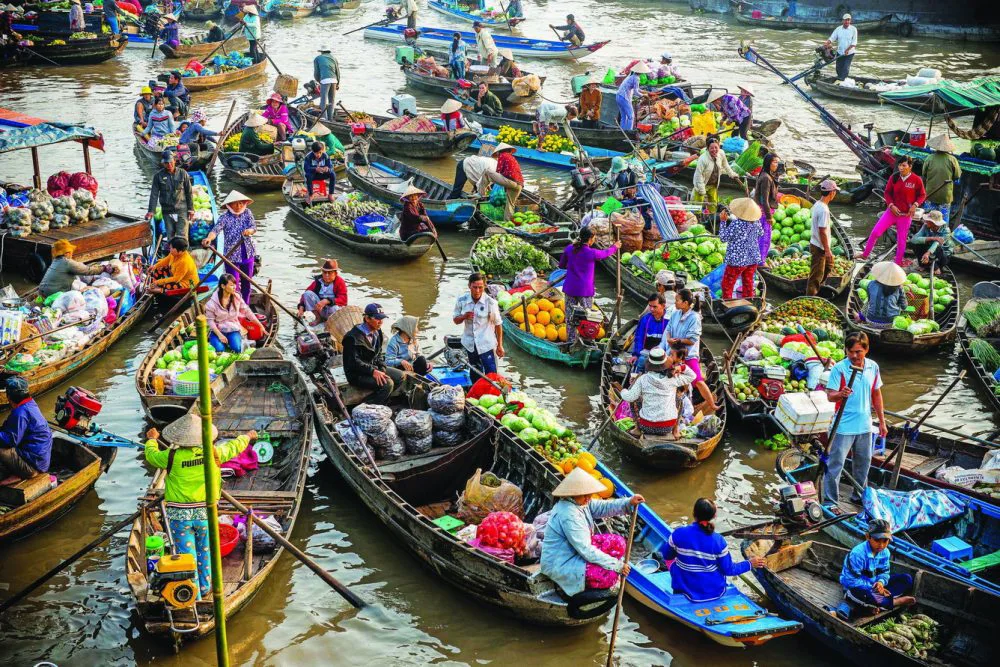
Chong Kneas is a floating village, home to a significant Vietnamese population. Exploring this area allows for an observation of both cultures and their distinct ways of life. A route to these locations might begin near Kong Mouch Pagoda and Wat Atwear Temple, proceeding towards a lotus farm, and concluding at the Chong Khneas Ferry Terminal. This journey offers tranquility and cultural insights. For those interested in the diverse culinary landscape of Cambodia, a stop at Phsar Chas offers a window into regional flavors.
Comparing Popular Cycling Routes
| Route Name | Key Highlights | Typical Duration | Experience Level |
|---|---|---|---|
| Angkor Archaeological Park Circuit | Angkor Wat, Angkor Thom, Bayon, Ta Prohm, jungle paths, ancient ruins | Full Day (6-8 hours) | Moderate (some distance, varied terrain) |
| Rural Siem Reap Excursion | Rice fields, local villages, farms, markets, temples, handicrafts | Half Day (3-5 hours) | Easy to Moderate (mostly flat, some dirt paths) |
| Market and Floating Village Journey | Phsar Chas Old Market, Chong Kneas floating village, pagodas, lotus farms | Half Day (3-5 hours) | Easy (urban and village roads, some dirt) |
Practical Advice for Cyclists in Siem Reap
To ensure a comfortable and enjoyable cycling experience in Siem Reap, preparation is key. Selecting a bicycle that fits well and is appropriate for the terrain is crucial. Confirming that brakes and gears are in good working order before setting out will prevent issues. Planning your route in advance, especially for the Angkor complex, helps manage time and energy effectively, allowing you to prioritize the sites you wish to see.
Cambodia's climate necessitates careful attention to hydration and sun protection. Carrying ample water is essential, and it is advisable to bring snacks to maintain energy levels throughout the day. A light, breathable change of clothes can be very useful, particularly after a long ride or if you encounter unexpected rain. Many visitors find that enjoying a packed lunch in one of the shaded areas within the Angkor park offers a pleasant break from cycling.
- Choose the Right Bicycle: Ensure your bike is comfortable and suitable for both paved roads and potential dirt paths.
- Plan Your Itinerary: Have a clear idea of the temples or villages you want to visit to optimize your time.
- Pack Extra Clothing: A lightweight change of clothes can provide comfort, especially in warm weather or after rain.
- Stay Hydrated: Carry plenty of water; dehydration can occur quickly in the tropical climate.
- Consider Picnic Lunch: Pack snacks and a lunch to enjoy a break in a scenic, shaded spot, such as within the Angkor park.
Frequently Asked Questions
Is Siem Reap suitable for beginner cyclists?
Yes, Siem Reap offers routes suitable for various skill levels. While the Angkor Archaeological Park circuit involves some distance, many rural and village routes are relatively flat and less demanding, making them accessible for those new to cycling.
What is the best time of year to cycle in Siem Reap?
The cooler, drier months from November to February are generally considered the most comfortable for cycling, with less humidity and more moderate temperatures. However, cycling is possible year-round with appropriate hydration and sun protection.
Can I rent a bicycle easily in Siem Reap?
Yes, bicycle rentals are widely available in Siem Reap, with many guesthouses, hotels, and dedicated rental shops offering options from basic city bikes to mountain bikes. Daily rental rates are typically affordable.
What should I bring on a cycling trip?
Essential items include a helmet (often provided with rentals), plenty of water, sunscreen, a hat or cap, sunglasses, insect repellent, a basic first-aid kit, and comfortable, breathable clothing. Snacks and a light rain jacket are also recommended.
Are there guided cycling tours available?
Yes, numerous local operators offer guided cycling tours, ranging from half-day excursions through the countryside to multi-day trips around the Angkor complex and beyond. Guides can provide insights into local culture and history, as well as assist with navigation.