Bich Dong Pagoda, situated in Ninh Binh province approximately 100 kilometers south of Hanoi, offers visitors a profound historical and cultural experience. This revered site is celebrated for its distinctive integration of ancient Buddhist architecture with natural cave formations and dramatic limestone karsts, all enveloped by lush tropical vegetation. It stands as a prominent landmark within the Tam Coc region, drawing those interested in spiritual heritage and natural beauty.
The Historical Background and Naming of Bich Dong Pagoda
The name Bich Dong, meaning "Emerald Green Grotto," was bestowed by early observers who were struck by the pagoda's verdant surroundings and the calm atmosphere it exuded. The origins of the pagoda trace back to 1428, during the reign of Ly Thai To, when it was initially constructed within the Truong Yen limestone mountain range in Hoa Lu District. Its present configuration largely stems from a significant restoration and rebuilding effort in 1705. At that time, two Buddhist monks, Tri Kien and Tri The, are credited with rediscovering the site, finding a cave and an existing pagoda partially concealed by dense vines and plants. Recognizing its spiritual potential, they undertook the extensive reconstruction that established the three-tiered pagoda system seen by visitors today. This historical layering contributes significantly to the site's cultural depth.
Architectural Layers and Ascent through Bich Dong
Bich Dong Pagoda showcases a classic Vietnamese construction style, predominantly crafted from wood and stone, featuring traditional brick-tiled roofs. Its most defining characteristic is its unique arrangement across three distinct levels, each housing a separate pagoda: Ha Pagoda (Lower Pagoda), Trung Pagoda (Middle Pagoda), and Thuong Pagoda (Upper Pagoda). Reaching these ascending structures necessitates climbing a series of stone steps carved directly into the mountainside, offering a gradual reveal of the complex.
The journey begins at the site's entrance, marked by a modest gate set against the imposing backdrop of a large mountain. Visitors then cross a graceful stone bridge spanning a pond often adorned with lotus flowers, leading to a beautifully decorated main entrance. Beyond this, a winding footpath guides exploration through the entire religious complex, preparing one for the ascent.
| Pagoda Name | Location | Key Architectural Features | Notable Elements |
|---|---|---|---|
| Ha Pagoda (Lower Pagoda) | At the mountain's base | Five chambers, two-tier roof with eight smaller roofs, broad eaves supported by six stone steps, four-meter monolithic stone pillars. | Dedicated to the worship of Buddha. |
| Trung Pagoda (Middle Pagoda) | Halfway up the mountain (accessed by 120 S-shaped steps) | Unique design with half outside and half inside a natural cave; two-tier roof, three-room upper temple, forecourt facing west. | Preserves a bronze bell with sophisticated engravings and three large stone statues (Amitabha Buddha, Van Thu Bodhisattva, Thi Kinh Bodhisattva). |
| Thuong Pagoda (Upper Pagoda) | Near the mountain's summit (accessed by 40 stone steps) | Consists of two smaller temples. | Left temple for the local earth god, right temple for the mountain god; offers expansive panoramic views of the surrounding Tam Coc – Bich Dong landscape. |
Exploring the Caves and Panoramic Vistas
The ascent to the higher pagodas is an experience in itself, particularly the path leading to Thuong Pagoda. This section involves navigating 40 stone steps along the mountain's edge and passing through what is known as the Dark Cave. Inside this natural cavern, various rock formations are said to evoke images of mythological figures and sacred beings, including fairies, Buddha, small children, flying dragons, and swimming turtles. The interplay of natural rock and spiritual interpretation adds a layer of mystique to the journey.
Upon reaching Thuong Pagoda at the summit, the physical effort is rewarded with an expansive outlook. From this elevated position, visitors can survey the extensive views of the Tam Coc – Bich Dong landscape, characterized by its winding river, lush rice paddies, and the distinctive limestone karsts that define the region. This vantage point provides a comprehensive perspective on the natural beauty that complements the pagoda's spiritual significance.
Practical Information for Visiting Bich Dong Pagoda
Bich Dong Pagoda is recognized as a component of the Trang An Complex, a site designated on the UNESCO World Heritage list, highlighting its global cultural and natural importance. The pagoda is conveniently located approximately 3 kilometers west of Tam Coc and 11 kilometers southwest of Ninh Binh City.
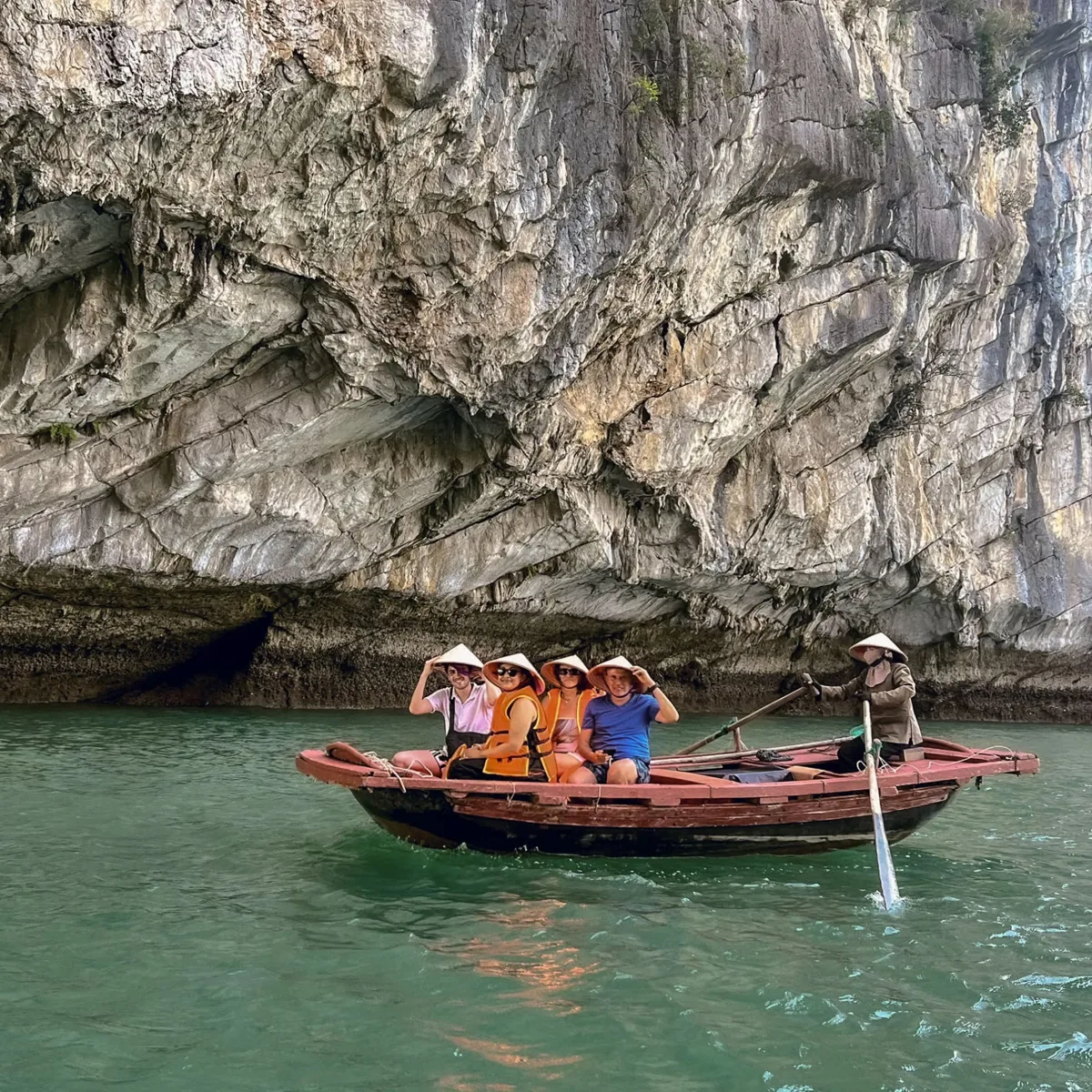
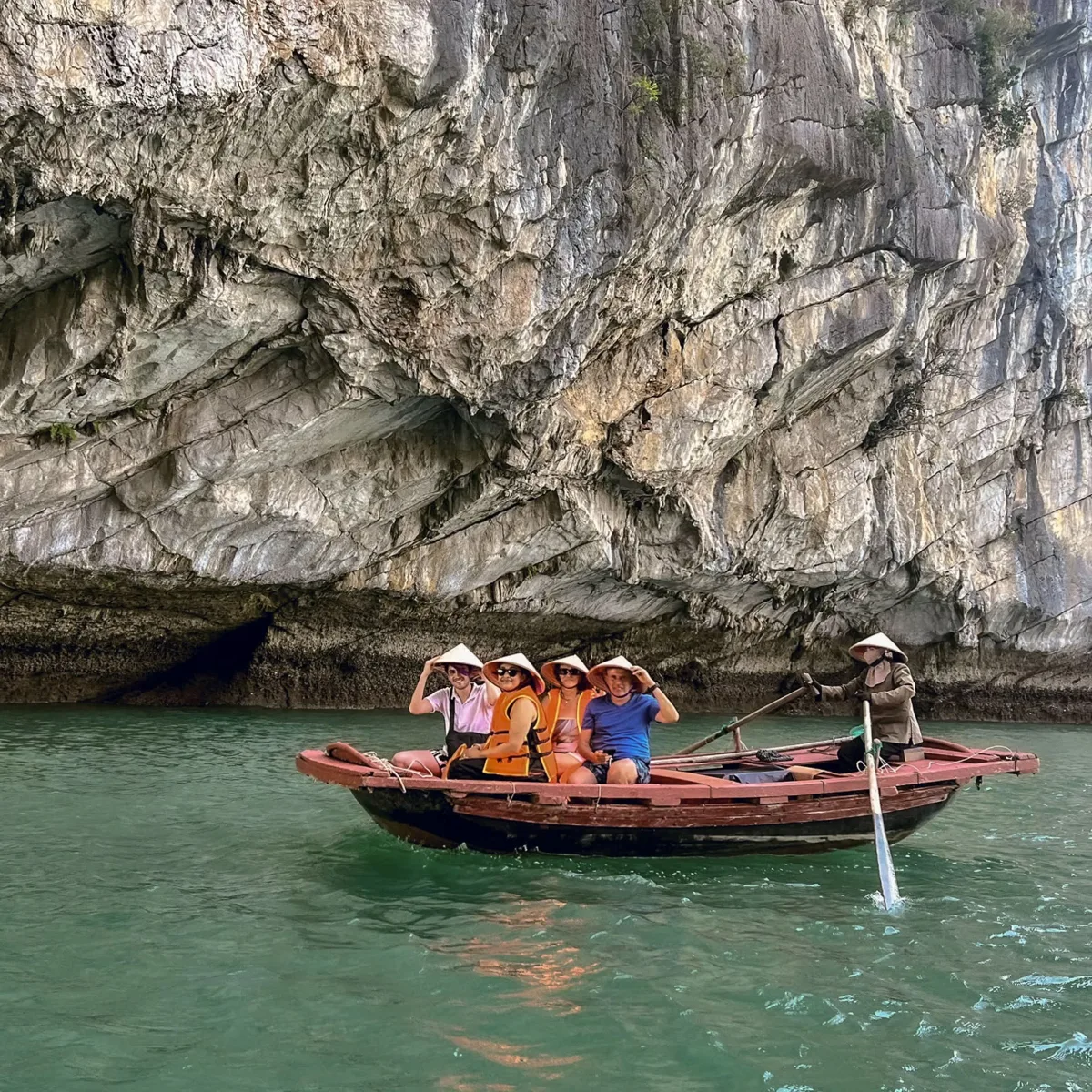
Several transportation options are available for reaching the site. For independent travelers, cycling or renting a motorbike offers flexibility. However, a highly recommended and popular method is to undertake a leisurely rowing boat trip from Tam Coc Pier. This journey along the Ngo Dong River provides a scenic approach, allowing visitors to appreciate the surrounding rice fields and towering limestone mountains before arriving at Bich Dong. For those traveling from Hanoi, considering overnight rail journeys in Vietnam can be a practical option to reach the Ninh Binh area, from which local transport to Tam Coc and Bich Dong is readily available.
A visit to Bich Dong Pagoda is typically integrated into a broader day trip itinerary, often combined with other significant attractions in the region, such as the boat tours of Tam Coc, the ancient capital of Hoa Lu, or the Trang An Grottoes. There is no entrance fee required to access Bich Dong Pagoda itself. However, a modest fee is applicable for parking personal vehicles like bicycles or motorbikes. While the primary focus is spiritual and historical, visitors to the region often look for unique purchases and souvenirs to remember their trip.
Optimal Times for a Peaceful Experience
Although Bich Dong Pagoda is accessible throughout the day, arriving in the early morning or late afternoon is generally recommended. These times typically see fewer crowds, allowing for a more peaceful and reflective exploration of the complex. The softer light during these hours can also enhance the visual appeal of the surrounding landscape.
For travelers particularly interested in the natural agricultural cycles and flora, the period from May to July is considered ideal. During these months, the extensive rice fields in the Tam Coc area undergo a transformation, shifting from a lush green to a rich golden yellow as they ripen. Concurrently, the lotus flowers in the ponds and waterways around the pagoda are in full bloom, adding a layer of seasonal beauty to the visit.
Frequently Asked Questions
Is there an admission charge for Bich Dong Pagoda?
No, there is no entrance fee to visit Bich Dong Pagoda. However, a small fee is usually collected for parking bicycles or motorbikes on site.
How long should I plan for a visit to Bich Dong Pagoda?
Most visitors find that approximately 1 to 2 hours is sufficient to explore all three levels of the pagoda, including the ascent, appreciation of the architecture, and time spent in the Dark Cave and enjoying the panoramic views from the top.
Can Bich Dong Pagoda be visited as a standalone destination?
While it is possible to visit Bich Dong Pagoda independently, most travelers incorporate it into a larger day trip. It is commonly combined with other nearby attractions like the Tam Coc boat ride, the ancient capital of Hoa Lu, or the Trang An Grottoes, all part of the same UNESCO World Heritage complex in Ninh Binh.
What are the recommended ways to get to Bich Dong Pagoda from Tam Coc?
From Tam Coc, visitors have several convenient options: cycling, renting a motorbike, or, most notably, taking a scenic rowing boat tour along the Ngo Dong River. The boat journey offers a unique perspective of the landscape leading up to the pagoda.
What is the best time of year to see the lotus flowers and rice fields?
The months of May to July are ideal for witnessing the lotus flowers in bloom and observing the rice fields as they transition from green to a golden yellow hue, creating a particularly scenic backdrop for the pagoda.