Rice serves as a fundamental dietary component across many Asian nations, and Vietnam is no exception. While many travelers have observed rice paddies throughout Asia, the specific sequence of rice cultivation in Vietnam often remains less understood. For many, a bowl of rice is simply a market purchase, with little thought given to the extensive production process behind this daily food staple. This guide offers insights into the typical day of a Vietnamese farmer and the intricate work involved in rice cultivation.
The Rhythm of Rural Life in Vietnam
Vietnam stands as an agricultural nation, with approximately 67% of its population residing in rural areas. While major cities showcase rapid modernization through heavy traffic, extensive construction, and contemporary high-rise buildings, the countryside presents a different picture. Deep within the rural regions, which constitute the majority of the country's land, exist close-knit communities deeply connected to family traditions and communal support. A visit to these areas provides an opportunity to experience a slower pace of life, fostering a sense of tranquility and offering a chance to unwind from a fast-paced modern existence.
Observers might initially perceive rural life as quiet and uneventful. However, spending time directly involved in agricultural work quickly reveals the dedication and effort required. Far from being idle, the daily activities of Vietnamese farmers are purposeful and physically demanding, offering a profound appreciation for their contributions to the nation's food supply. Exploring these rural landscapes can also lead to discovering unique local products and traditional crafts, providing insights into the economic fabric of these communities. For those interested in traveling across the country, considering overnight rail journeys in Vietnam can offer a distinctive way to reach various rural destinations.
A Farmer's Day: From Dawn to Dusk
Both men and women actively participate in field work. Rural women in Vietnam commonly engage in strenuous outdoor physical labor, contributing to their physical fitness and resilience. Each day, farmers begin their work early, typically before sunrise. Agricultural fields are often situated close to their homes, allowing for a short walk to the work area. During crucial periods like planting and harvesting, the entire family contributes to the effort, with each member assigned specific responsibilities.
Men generally handle more physically demanding tasks such as plowing and digging. Women assist with harvesting, planting, and weeding, in addition to managing household duties. Older family members undertake lighter tasks. Children, when not attending school, contribute to household chores; girls often clean, cook, and tend to vegetable gardens, while boys carry water and assist the men in the fields. Most rural homes maintain a garden for growing vegetables and fruits, either for family consumption or for sale to supplement income. Beyond cultivation, families also raise livestock and poultry. The day typically concludes with a shared family meal, a significant time for members to connect and recount their daily experiences.
Engaging with Agricultural Practices
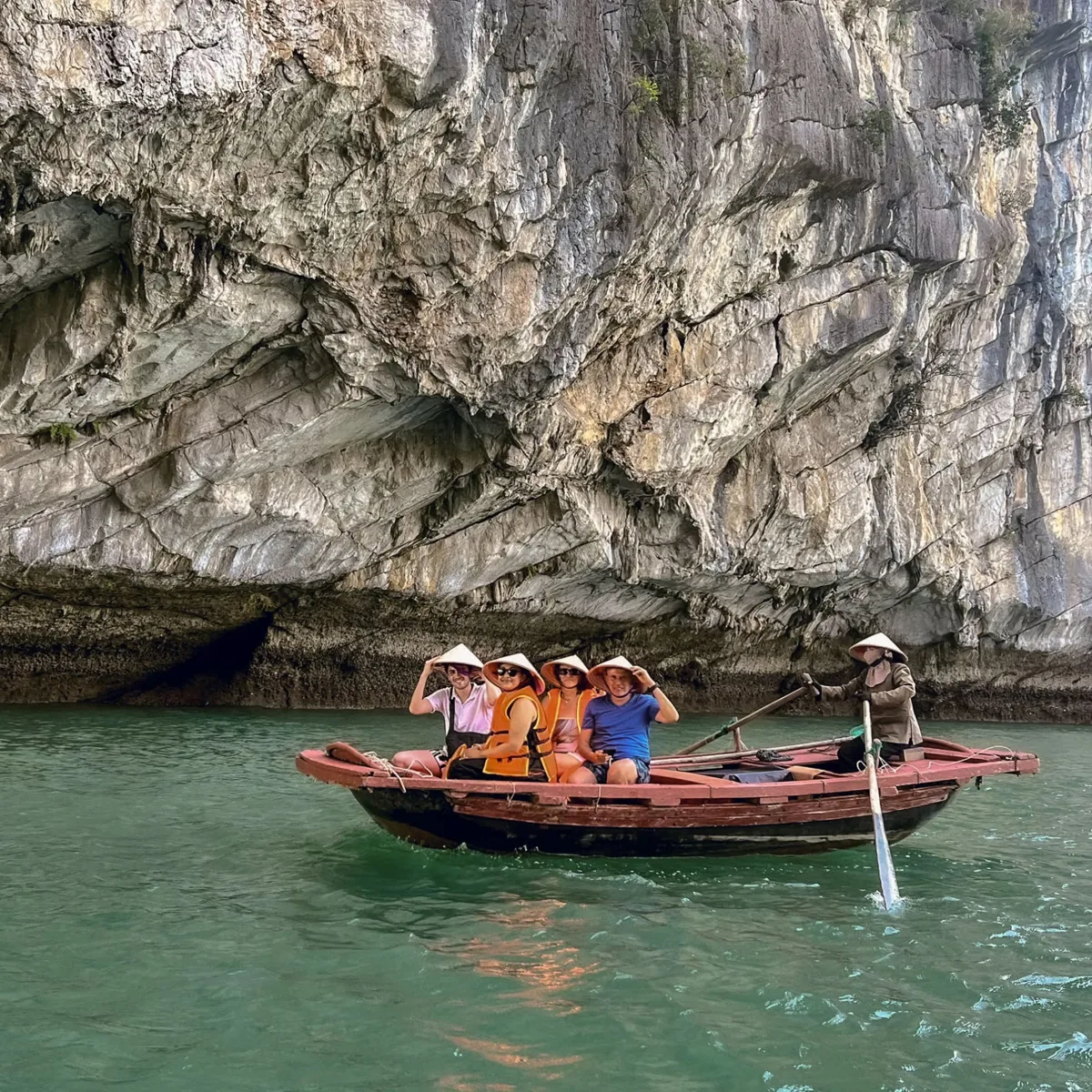
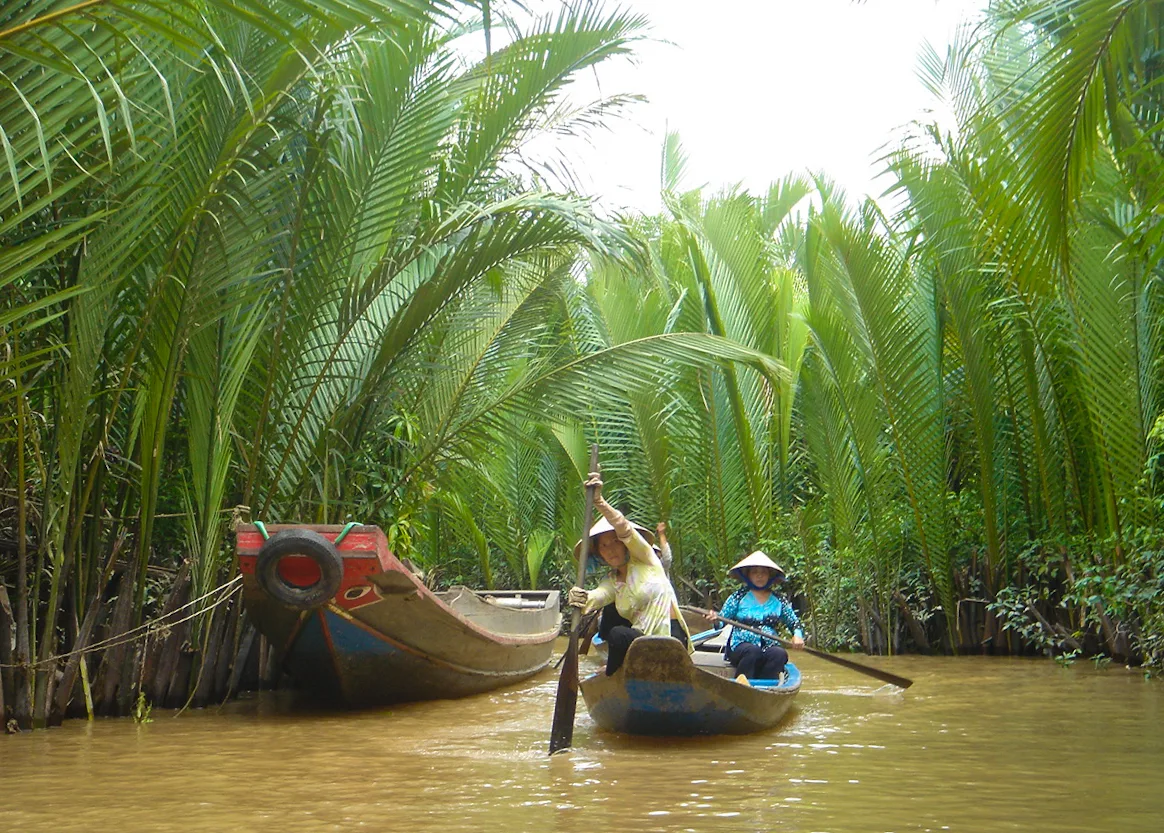
Participating in an agricultural experience tour can provide visitors with an opportunity to interact with a local family and observe their home environment. Such experiences often begin with adopting traditional farming attire, which typically includes loose pants and shirts that can be easily rolled up to avoid water and mud. In flooded fields, individuals usually work barefoot. Throughout Vietnam, conical hats, known as “Non la,” are widely worn to offer protection from intense sunlight and heavy rainfall.
Following guidance from local hosts, visitors can try their hand at tasks such as sowing rice seedlings, plowing, or harrowing the soil. These activities, while appearing straightforward, require skill and can be quite engaging. During the warmest part of the day, Vietnamese farmers pause for a break. They often return home for lunch or eat directly beside the field. This practice offers a distinct perspective for those accustomed to modern work environments. After several hours of physical exertion, a simple, home-cooked meal with the host family can be particularly satisfying, highlighting the connection between labor and sustenance.
The Role of Animals in Vietnamese Farming
In Vietnam and across Asia, water buffalo have historically been vital livestock for many families due to their significant utility in farming. These animals are generally known for their gentle and patient demeanor. Traditionally, water buffalo represented a substantial form of wealth for Vietnamese farming families. Their ability to navigate deep, muddy fields makes them indispensable for plowing and transporting heavy items, such as timber. For many Vietnamese farmers, owning a water buffalo holds a similar significance to owning a luxury vehicle in Western countries. The image of a young boy riding on the back of a water buffalo remains an enduring symbol of Vietnamese culture, representing a harmonious relationship between people, animals, and the land.
Visitors might also observe numerous flocks of ducks in the fields. These birds contribute to farming in several ways: they provide a source of food, help control weeds in rice paddies, and fertilize the plants with their droppings. Additionally, ducks consume algae and other undesirable plants that grow near young rice seedlings, aiding in the health and growth of the crop. These natural methods underscore the sustainable practices often employed in traditional Vietnamese agriculture.
Appreciating the Journey from Field to Table
The process of bringing rice from the field to the table is far from simple, involving considerable effort and dedication. Experiencing the daily challenges faced by Vietnamese farmers can foster a deeper appreciation for the food we consume and the labor involved in its production. Despite their essential contributions, the incomes of Vietnamese farmers often remain modest. Consequently, visits that support local communities and offer opportunities to engage with their way of life can be particularly meaningful, providing both cultural enrichment for travelers and a positive impact for residents.
Such experiences allow visitors to move beyond conventional tourism, offering a genuine connection to the local culture and the individuals who sustain it. Understanding the intricacies of rural life and the agricultural cycle can transform a trip into a profound learning experience, highlighting the resilience and resourcefulness of Vietnamese communities. For those seeking tangible memories of their travels, exploring essential souvenirs and unique purchases from a trip to Vietnam can further connect them to the country's rich cultural heritage.
Frequently Asked Questions
What is the primary staple food in Vietnam?
Rice is the fundamental dietary staple for the majority of people in Vietnam, forming the basis of countless meals and culinary traditions.
How do Vietnamese rural families typically divide labor?
In rural Vietnamese families, labor is often divided by age and gender. Men usually handle heavier tasks like plowing, while women manage planting, weeding, harvesting, and household duties. Elders perform lighter work, and children assist with chores when not attending school.
What traditional clothing do farmers wear in the fields?
Vietnamese farmers typically wear loose-fitting pants and shirts that can be easily adjusted to avoid mud and water. The conical hat, known as “Non la,” is a common accessory, providing protection from the sun and rain.
What animals are crucial for Vietnamese rice farming?
Water buffalo are indispensable for plowing fields and transporting heavy loads, serving as a significant asset for farming families. Ducks also play an important role by helping to weed rice fields, fertilize crops, and control pests.
How can visitors experience Vietnamese farm life?
Visitors can engage in agricultural experience tours that allow them to participate in farm activities such as sowing rice seedlings, plowing, or gardening. These tours often include opportunities to share meals with local families and learn about their daily routines.