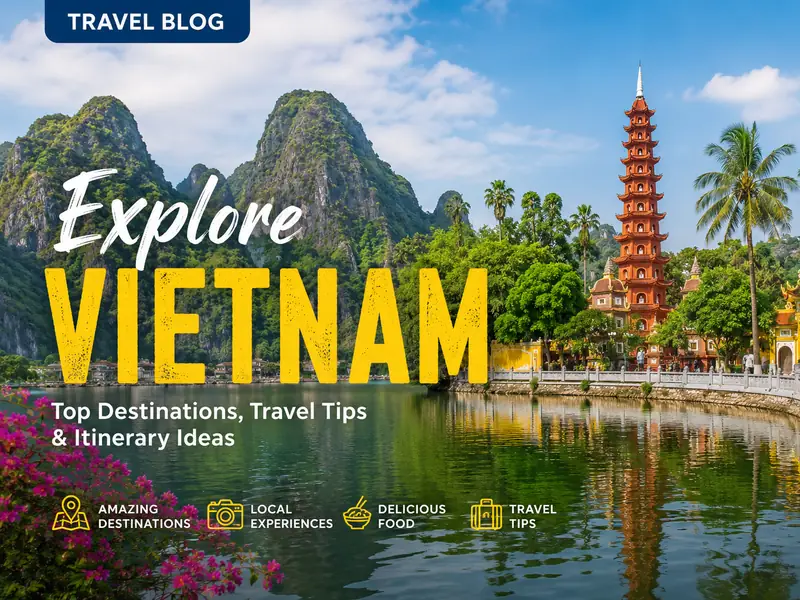
Throughout Vietnam, spiritual sites are a common sight, from quiet structures in city lanes to prominent buildings by rivers or on hillsides. Across the country, from the northern capital to the southern Mekong Delta, local residents are often observed entering these sacred locations, carrying incense. Many international visitors naturally inquire about the frequency of these visits. The motivations extend beyond mere religious practice, encompassing deep cultural ties, family traditions, emotional solace, and a fundamental perspective on existence.
Distinguishing Temples from Pagodas in Vietnam
To fully grasp the significance of these visits, it is helpful to understand the differences between the two types of structures. A pagoda, known as chùa, is primarily associated with Buddhism. These are places where monks engage in spiritual practices, recite scriptures, and teach Buddhist principles. Individuals typically offer prayers before Buddha statues and light incense as a sign of devotion.
Conversely, a temple, referred to as đền or miếu, is generally dedicated to historical figures, national heroes, local protective deities, or ancestral spirits. For instance, in Hanoi, visitors can see the One Pillar Pagoda, which is a Buddhist site, and the hanoi" class="td-ilink">Temple of Literature, which honors Confucius and respected scholars. Both locations attract people, but for different spiritual purposes. This distinction highlights that spiritual visits in Vietnam are not confined to a single religious framework; they reflect a synthesis of Buddhist teachings, Confucian principles, Taoist beliefs, and the practice of ancestor veneration.
Spirituality Integrated into Daily Life
In many Western societies, religious observance often follows structured systems and specific weekly ceremonies. In Vietnam, spiritual engagement feels more interwoven with everyday activities. People do not necessarily frequent pagodas solely due to strict religious adherence. Instead, they go to find tranquility, reassurance, or mental clarity. Common reasons for these visits include:
- Praying for personal health and safety
- Seeking good fortune before significant examinations
- Requesting guidance when initiating a new business venture
- Expressing appreciation following successful endeavors
- Honoring departed family members
These visits are typically quiet and purposeful, rather than elaborate or highly ceremonial. The act of lighting incense holds symbolic meaning, representing communication with the spiritual realm and respect for ancestors. For those interested in understanding local customs more deeply, exploring experiencing local life in Vietnam can provide further insights.
Temples as Places of Emotional Retreat
Vietnamese cities are often lively, densely populated, and fast-paced, characterized by constant motorbike traffic and construction sounds. Temples and pagodas provide a stark contrast. Upon entering these sites, the atmosphere shifts; ambient noise diminishes, courtyards offer shade from trees, and the aroma of incense replaces urban fumes. This change in environment is significant.
For many Vietnamese individuals, visiting a pagoda offers an opportunity for mental decompression. It serves as a space for contemplation, quiet breathing, and restoring emotional equilibrium. The purpose is not to avoid difficulties but to approach them with a sense of inner calm. These sanctuaries offer a vital pause in a rapidly changing world.
The Enduring Role of Ancestor Worship
Ancestor worship is a fundamental aspect of Vietnamese identity. Most homes feature an ancestral altar where families regularly light incense, particularly on important dates. Temples extend this private practice into a public setting. Visiting temples enables families to:
- Show reverence for previous generations
- Maintain spiritual continuity
- Strengthen familial connections
In cities such as Hue, imperial temples and ancestral shrines preserve historical memory and reinforce national identity. Honoring ancestors is not viewed as an outdated custom but as essential for understanding one's position within the broader world.
Visits During Tet: A Time of Renewal
Temple visits gain particular importance during Tet, the Lunar New Year celebration. At the beginning of the new year, families visit pagodas to pray for peace, prosperity, good health, and success for their children. Lighting incense during Tet symbolizes fresh beginnings and spiritual rejuvenation. In Ho Chi Minh City, large pagodas welcome numerous families dressed in traditional attire, yet the atmosphere remains composed rather than disorderly. Tet temple visits embody hope for the year ahead. To learn more about specific celebrations, consider reading about Ho Chi Minh City Tet celebrations.
Seeking Fortune and Protection
The concept of luck holds a subtle yet meaningful place in Vietnamese culture. Students might visit temples before academic assessments, while entrepreneurs may go before inaugurating a new business. Couples sometimes pray before their marriage. These visits are not purely superstitious; they represent expressions of intention and humility, acknowledging that personal effort is important, but so is spiritual harmony. Temples become places where individuals align their actions with aspirations.
Cultural Tradition Across Generations
Children typically grow up accompanying their parents and grandparents to temples. They learn the proper way to hold incense, how to bow respectfully, and how to maintain quiet conduct within sacred spaces. Even younger adults who identify with modern, non-religious viewpoints still participate in temple visits during significant life events. The practice evolves into a cultural ritual rather than solely a religious one. Temples are not separate from daily existence; they are an integral part of its rhythm.
Architectural Elements Reinforcing Meaning
The construction of Vietnamese temples and pagodas is deliberate, with every detail carrying symbolic weight. Curved rooflines often signify protection and balance. Dragon carvings typically represent power and abundance. Red pillars can symbolize good fortune and vitality. Lotus flowers frequently represent purity emerging from adversity. When individuals enter a pagoda like Thien Mu Pagoda, they are not merely stepping into a building; they are entering a space intentionally designed to calm the mind.
Open courtyards facilitate the circulation of natural light and air. Incense smoke ascends gently. Buddha statues are positioned centrally within prayer halls. The environment itself fosters stillness. For many Vietnamese people, this architectural setting reinforces the purpose of their visit: reflection and emotional equilibrium. For those interested in a comprehensive experience of Vietnam's spiritual sites, a 12-day Vietnam spiritual wonders tour offers an in-depth exploration.
Temples as Community Hubs
Beyond their spiritual function, temples and pagodas also serve as focal points for communities. In rural villages, annual temple festivals bring residents together. These gatherings may feature:
- Traditional musical performances
- Lion dances
- Communal offerings
- Cultural demonstrations
The temple becomes a gathering place where community identity is strengthened. Even in larger cities, temples host ceremonies during major holidays. They provide continuity in neighborhoods that are otherwise undergoing rapid modernization. This community role helps explain why temple visits remain common even as Vietnam becomes more urbanized and economically dynamic.
Rural and Urban Variations
In rural areas, temple life often feels more relaxed and deeply integrated into daily routines. Villagers, particularly elders who maintain strong ties to tradition, may visit frequently. Festivals often have an intimate feel, with most attendees knowing each other. In urban centers like Hanoi or Ho Chi Minh City, temple visits tend to be shorter and more personal. Busy professionals might stop by briefly before work or during important life transitions. Despite these differences, the underlying intention remains consistent: to reconnect, reflect, and seek balance. Modern life has transformed Vietnam in numerous ways, yet temple visits have remained remarkably constant.
Balancing Tradition with Modern Development
Vietnam is experiencing rapid economic growth, with new skyscrapers and widespread technological adoption. Younger generations are embracing global trends. Yet, temple visits have not diminished. Instead of fading, they coexist with contemporary life. It is not uncommon to see a young entrepreneur in business attire lighting incense before a meeting, or university students visiting temples before final exams. Couples often take wedding photographs in front of pagodas. Tradition has not been supplanted; it has adapted. Temples offer a sense of stability in a nation undergoing swift change. Exploring Vietnam's spring festivals can further illustrate this blend of tradition and modernity.
Why Vietnamese People Continue the Practice
The inclination to visit temples and pagodas stems from multiple interconnected aspects:
- Spiritual comfort
- Cultural identity
- Emotional reassurance
- Reverence for ancestors
- Hope for the future
It is not solely about religious belief; it is about continuity, linking the past, present, and future. Vietnamese culture places high value on harmony, and visiting temples reinforces this harmony within oneself and within the family unit. For a deeper dive into Hanoi's cultural sites, consider a Hanoi heritage and culture day tour.
Temple Etiquette for Visitors
Understanding the reasons behind Vietnamese temple visits helps travelers behave respectfully. If you plan to visit these sites:
- Dress modestly, covering shoulders and knees.
- Speak softly and maintain a quiet demeanor.
- Avoid stepping directly onto prayer mats or thresholds.
- Remove hats before entering sacred halls.
- Observe and follow the actions of local worshippers.
Temples are not merely tourist attractions; they are active spiritual spaces. Respecting this atmosphere contributes to a more meaningful experience for everyone.
Frequently Asked Questions
Do Vietnamese people visit temples every week?
Not necessarily. Visits are often connected to significant life events, holidays, or personal needs rather than a fixed weekly schedule.
Is Vietnam primarily a Buddhist country?
While Buddhism holds a significant position, Vietnamese spirituality incorporates a blend of traditions, including ancestor worship and Confucian principles.
Are temples exclusively for older generations?
No. Young people continue to visit temples, particularly during Tet and other important life milestones, reflecting a strong cultural continuity.
Can tourists participate in prayer rituals?
Visitors are welcome to light incense respectfully, but it is important to observe local customs and avoid any actions that might be disruptive to those engaged in worship.
Final Thoughts on Vietnamese Temple and Pagoda Visits
Vietnamese people frequent temples and pagodas because these places offer something modern life often lacks: a moment of pause. In a rapidly evolving society, these sacred environments provide opportunities for reflection. They connect families across different generations and offer hope in times of uncertainty, along with gratitude after achievements. Temples are not remnants of the past; they are active components of contemporary Vietnamese life. Grasping this helps travelers look beyond the architecture and incense smoke, revealing how deeply spirituality and culture remain interwoven in Vietnam today. Temples are not an escape from reality; they serve as reminders of how to live thoughtfully within it.