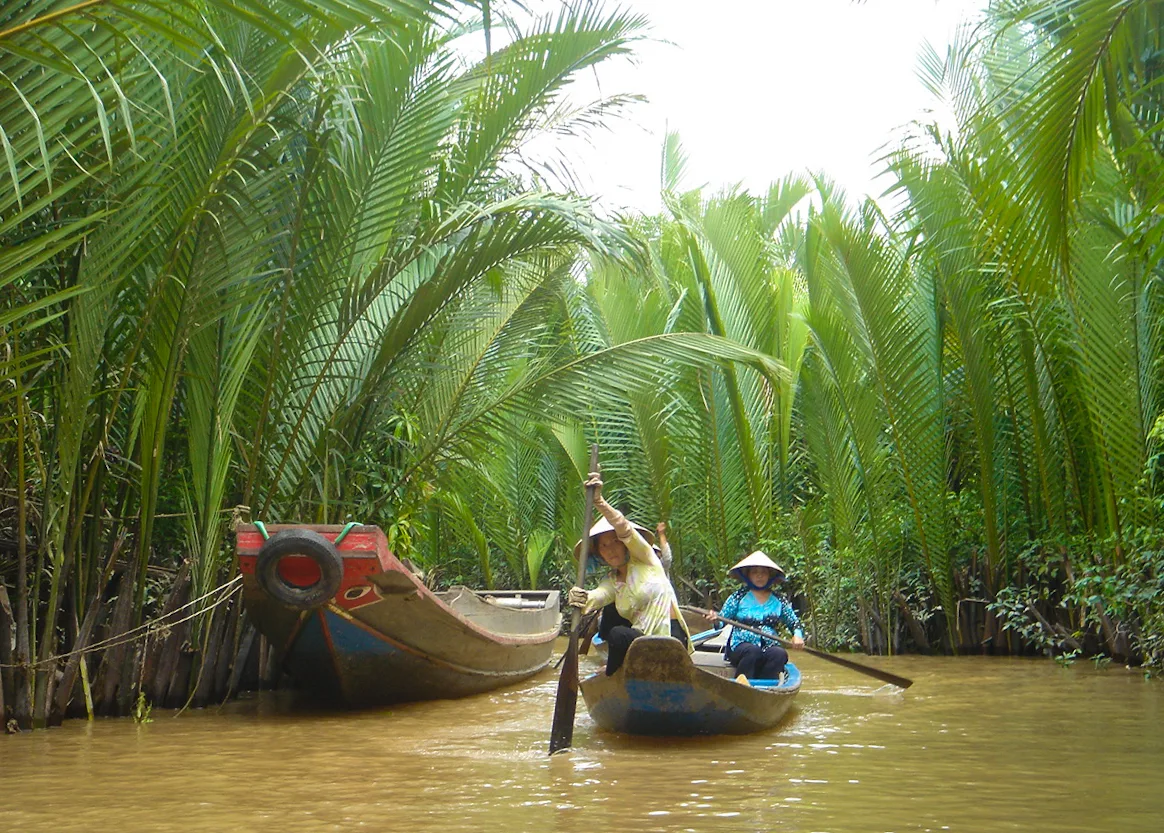
Phi Phi Island, a well-known destination in Thailand, experiences a tropical monsoon climate. Understanding its distinct dry and rainy seasons is key to planning an enjoyable trip. The most favorable period for visiting this Thai island typically spans from November through February, offering pleasant weather conditions for various outdoor pursuits and a generally more comfortable travel experience.
Understanding Phi Phi Island's Climate Patterns
Phi Phi Island shares the characteristic tropical monsoon climate found across much of Thailand, marked by consistently warm temperatures and high humidity throughout the year. The climate here is broadly divided into two primary meteorological periods: a dry season and a rainy season. These distinct seasons influence everything from sea conditions to the availability of certain activities and the overall atmosphere on the islands.
The dry season generally extends from October to April. During these months, the island experiences less precipitation and more consistent sunshine, making it a popular time for travelers. Temperatures remain warm, but the humidity is often lower than in the rainy season, leading to more comfortable days. Conversely, the rainy season runs from May to September, characterized by increased rainfall and occasional storms. While downpours can be intense, they often occur in short bursts, and sunny periods can still be expected. Each season presents a different atmosphere and range of experiences for visitors, impacting travel considerations and recommended activities.
The Ideal Period for a Phi Phi Island Trip
For many travelers, the period from November to February represents the optimal window to explore Phi Phi Island. During these months, the weather is typically mild, avoiding the intense heat sometimes found in other parts of the year, and rainfall is significantly reduced. This combination creates comfortable conditions for enjoying the island's natural surroundings and engaging in various water-based activities without the frequent interruptions of tropical showers.
This particular timeframe often sees clearer skies and calmer seas, which are highly advantageous for boat excursions, snorkeling, and underwater exploration. The reduced humidity also contributes to a more pleasant environment for walking and relaxing on the beaches. While this is a popular time, the agreeable climate allows for a more relaxed experience, as visitors can reliably plan outdoor activities. This period is particularly suitable for those seeking a tranquil escape, a romantic getaway, or families looking for stable weather for their holiday.
Activities and Experiences During Favorable Weather
Visiting Phi Phi Island during the cooler, drier months opens up a wide array of recreational options, making it a prime time for exploration. Island tours are a common choice, allowing visitors to explore different coves, secluded beaches, and iconic viewpoints. Water sports such as surfing can be enjoyed when conditions are right, and boat trips provide opportunities to reach more remote areas, including smaller islands and hidden lagoons.
A trip to Monkey Island is a frequent inclusion in many itineraries, offering a chance to observe local wildlife. Kayaking is another popular way to navigate the calm coastal waters, providing a closer perspective of the limestone karsts and crystal-clear shallows. For those interested in marine life, snorkeling and diving are highly recommended activities, offering views of diverse coral formations, aquatic plants, and numerous species of fish beneath the ocean's surface. As evening approaches, gathering with companions to witness the sunset over the water is a popular pastime, often followed by enjoying fresh seafood. Some visitors also enjoy observing local fishing practices, gaining insight into the island's traditional way of life and the abundance of fresh seafood available.
Seasonal Events and Natural Surroundings
The period from November to February on Phi Phi Island can coincide with various local gatherings and sporting events, adding an element of cultural immersion to a visit. Travelers might encounter boat races, which showcase traditional seafaring skills, or windsurfing competitions, reflecting the island's appeal for water sports enthusiasts. These events often highlight the island's strong connection to the sea and its community spirit, offering a glimpse into local traditions.
Beyond specific events, the island's inherent beauty is a constant attraction. Its geography features numerous bays, expansive stretches of sand, intricate coral structures, exposed rock formations, and dramatic limestone cliffs that rise majestically from the sea. These elements combine to create a visually striking landscape, both above and below the water. The presence of traditional fishing villages further contributes to the island's serene character, offering glimpses into a quieter, more authentic side of island existence away from the busier tourist hubs. The tranquility of these areas provides a contrast to the more active beach scenes.
Planning Your Visit to Phi Phi
When planning a trip to Phi Phi Island, considering the seasonal variations is crucial for tailoring your experience. While the dry season (November to February) is widely recommended for its agreeable weather and calm waters, the shoulder months (October, March, April) or even parts of the rainy season (May to September) can offer their own advantages, such as fewer crowds and potentially lower prices for accommodations and tours, provided one is prepared for occasional rain showers. Flexibility in travel plans can be beneficial during the rainy season.
Regardless of the chosen season, preparing for tropical conditions is advisable. Lightweight, breathable clothing, effective sun protection (hats, sunglasses, high SPF sunscreen), and appropriate footwear for beach and boat activities are essential. Booking accommodations and tours in advance, especially during the peak dry season, is often recommended to ensure availability and secure preferred rates. When preparing for any international trip, understanding local financial services is often a key consideration, much like learning about banking options in Hanoi for those traveling to Vietnam. For those interested in exploring other beautiful coastal areas, consider researching Halong Bay's best beaches for relaxation, which offer a different but equally rewarding experience.
| Season | Months | Typical Weather | Activities | Considerations |
|---|---|---|---|---|
| Dry Season | October to April | Less rain, consistent sunshine, cooler (Nov-Feb) | Island tours, surfing, boat trips, kayaking, diving, snorkeling, sunset viewing, local events (Nov-Feb) | Peak travel, potentially more crowded, ideal for water activities |
| Rainy Season | May to September | Increased rainfall, occasional storms, humid | Can still enjoy activities during sunny intervals, fewer crowds, potentially lower costs | Risk of disrupted plans due to rain, rougher seas at times, fewer events |
Frequently Asked Questions
What is the typical climate on Phi Phi Island?
Phi Phi Island experiences a tropical monsoon climate, characterized by warm temperatures and high humidity throughout the year. The climate is generally divided into a distinct dry season and a rainy season, each influencing the island's conditions.
When is the most favorable time to travel to Phi Phi Island?
The best time to visit Phi Phi Island is generally considered to be from November to February. During these months, the weather is typically cooler and drier, with significantly less rainfall, making it ideal for outdoor activities and comfortable island exploration.
What activities are popular during the peak travel season?
During the favorable dry season, popular activities include extensive island excursions, surfing, boat tours to various coves, kayaking, and diving or snorkeling to observe the rich marine life, including coral reefs and diverse fish species. Visiting Monkey Island and enjoying evening sunset views are also common and highly recommended.
Are there any specific events on Phi Phi Island during the dry season?
From November to February, visitors might encounter various local events, including traditional boat races and windsurfing competitions. These events often add a unique cultural dimension to the trip and highlight the island's connection to its maritime heritage.
What should travelers pack for a trip to Phi Phi Island?
Travelers should pack lightweight, breathable clothing suitable for warm, humid conditions. Essentials include swimwear, sun protection like hats, sunglasses, and high-SPF sunscreen, and comfortable footwear for walking on beaches and boats. Insect repellent is also advisable for evenings.