
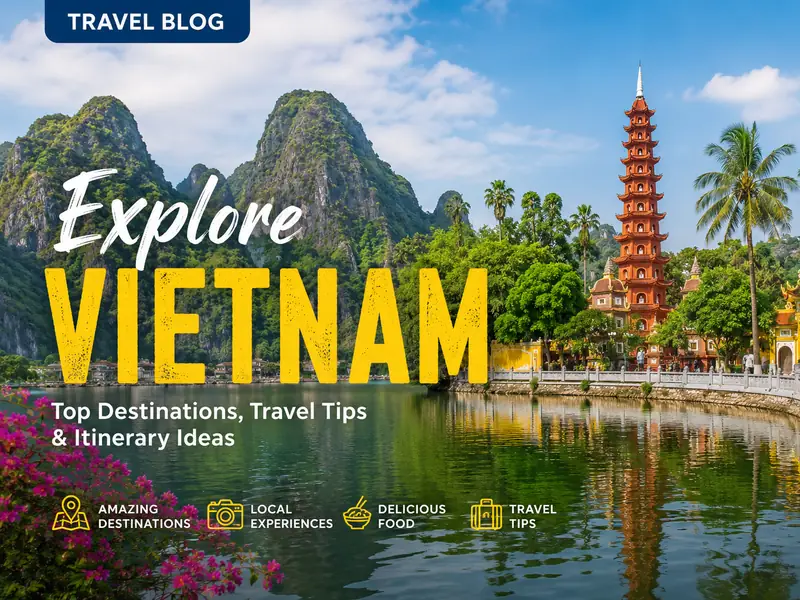
Northern Vietnam becomes a focal point for traditional celebrations immediately after the Lunar New Year (Tet holiday), presenting a unique opportunity for visitors to engage with local customs and spiritual life. These annual events are deeply ingrained in the regional identity, drawing both residents and travelers to participate in centuries-old rituals and festivities. Most of these significant cultural gatherings occur during the first three months of the lunar calendar, coinciding with the spring season.
Understanding Lunar New Year Celebrations in Northern Vietnam
The period following the Lunar New Year in Northern Vietnam is traditionally dedicated to various cultural and spiritual observances. These festivals serve multiple purposes, from honoring deities and national heroes to praying for prosperity, good harvests, and personal well-being. For many, visiting temples and pagodas during this time is a long-standing tradition, reflecting a strong connection to ancestral beliefs and community values. The region, with its rich history, hosts a substantial number of these traditional events.
These celebrations are not merely religious ceremonies; they are also social occasions where communities come together, share meals, and enjoy traditional entertainment. The atmosphere is typically lively, with a blend of solemn rituals and joyful communal activities. For those planning a trip to Vietnam, aligning their visit with these post-Tet festivals can provide a profound understanding of the country's heritage and the local way of life. When planning your travels, it's beneficial to consult a comprehensive essential planning guide for your first trip to Vietnam to maximize your experience.
Prominent Cultural Festivals in Northern Vietnam
Northern Vietnam is home to several notable festivals that attract large numbers of participants. Each event carries its own historical and cultural significance, offering distinct experiences.
Huong (Perfume) Pagoda Festival
Recognized as one of Northern Vietnam's most extensive and prolonged events, the Huong Pagoda Festival is a significant pilgrimage for Buddhists. It commences on the 6th day of the 1st lunar month and can continue for up to three months.
- Time: From the 1st to the 3rd lunar month (begins on the 6th day of the 1st lunar month, typically lasting three months). Current dates should be verified annually.
- Address: My Duc District, Hanoi
- Purpose: Buddhist worship and pilgrimage.
- Ceremonies: Zen ceremonies and incense offerings.
- Activities: Mountain climbing, boat cruising along the Yen stream, and sightseeing. Visitors can also sample local delicacies such as bamboo shoots, grinding roots, and Sang vegetables.
Yen Tu Spring Festival
The Yen Tu Spring Festival draws people to Yen Tu Mountain, a historical center of Vietnamese Buddhism. This event is a time for prayer and spiritual reflection, set against a backdrop of mountainous scenery and ancient religious sites.
- Time: From the 10th day of the 1st lunar month to the end of the 3rd lunar month. Current dates should be verified annually.
- Address: Yen Tu Mountain, Uong Bi District, Quang Ninh Province
- Purpose: Buddhist worship and pilgrimage, seeking good fortune and expressing faith.
- Ceremonies: Traditional Buddhist rituals.
- Activities: Mountain climbing, traditional folk games, and observing art performances.
Giong (Soc Son) Temple Festival
This festival commemorates Saint Giong, a legendary figure in Vietnamese folklore. Soc Son District is traditionally believed to be the location where Saint Giong ascended to heaven.
- Time: From the 6th day to the 8th day of the 1st lunar month. Current dates should be verified annually.
- Address: Soc Son Temple, Phu Linh Commune, Soc Son District, Hanoi
- Purpose: To honor Saint Giong and pray for abundant harvests and a prosperous life.
- Ceremonies: Processions, ritual cleaning of Saint Giong’s statue (midnight of the 6th day), incense offerings, and a re-enactment of slaying invaders (7th and 8th days).
- Activities: Enjoying traditional singing and participating in folk games.
Ba Chua Kho Temple Festival
The Ba Chua Kho Temple Festival is particularly popular among business people who visit to pray for financial success and good fortune in their ventures.
- Time: The 14th day of the 1st lunar month. Current dates should be verified annually.
- Address: Co Me Village, Vu Ninh Commune, Bac Ninh Province
- Purpose: Worship of Ba Chua Kho and four primary gods (Thien phu, Dia phu, Thuy phu, and Nhac phu).
- Ceremonies: Incense offerings and a symbolic ritual of 'borrowing' money from Ba Chua Kho, where requests for prosperity are written on paper ('So').
Bai Dinh Pagoda Festival
Held at the extensive Bai Dinh Pagoda complex, this festival combines Buddhist and Confucian beliefs, also honoring national heroes. It offers a prolonged period for visitors to experience its spiritual and cultural offerings.
- Time: From the 6th day of the 1st lunar month, lasting for three months. Current dates should be verified annually.
- Address: Sinh Duoc Village, Gia Sinh Commune, Gia Vien District, Ninh Binh Province
- Purpose: Expressing Buddhist and Confucian beliefs, worshiping gods and Buddha, and honoring national heroes.
- Ceremonies: Incense offerings, oblations to God Cao Son, commemoration of Saint Nguyen Minh Thong, and attending the Goddess Thuong Ngan’s audience.
- Activities: Sightseeing, traditional folk games, and performances of traditional music such as Cheo, Ca Tru, and Xam singing. For those interested in exploring this region further, consider a Northern Vietnam culture and scenery tour that includes Hanoi, Ninh Binh, and Halong Bay.
Lim Festival
The Lim Festival is dedicated to preserving and promoting Quan Ho folk songs, an intangible cultural heritage of Vietnam. It features unique singing performances and traditional games.
- Time: The 12th and 13th day of the 1st lunar month. Current dates should be verified annually.
- Address: Lim Village, Tien Du District, Bac Ninh Province
- Purpose: To worship Ba Mu and promote the tradition of Quan Ho folk songs.
- Ceremonies: Processions and worshiping rites.
- Activities: Weaving competitions, Quan Ho singing performances (dialogues between male 'Lien anh' and female 'Lien chi' singers), and traditional games.
| Festival Name | Location | Primary Purpose | Key Activities | Duration (Lunar Calendar) |
|---|---|---|---|---|
| Huong (Perfume) Pagoda Festival | My Duc District, Hanoi | Buddhist pilgrimage | Mountain climbing, boat cruising, incense offerings | 1st to 3rd month |
| Yen Tu Spring Festival | Yen Tu Mountain, Quang Ninh | Buddhist pilgrimage, good luck prayers | Mountain climbing, folk games, art performances | 1st to 3rd month (starts 10th day) |
| Giong (Soc Son) Temple Festival | Soc Son District, Hanoi | Commemorate Saint Giong, wish for harvests | Processions, statue cleaning, traditional singing | 6th to 8th day of 1st month |
| Ba Chua Kho Temple Festival | Bac Ninh Province | Worship Ba Chua Kho, pray for prosperity | Incense offerings, symbolic 'money borrowing' | 14th day of 1st month |
| Bai Dinh Pagoda Festival | Gia Vien District, Ninh Binh | Buddhist/Confucian beliefs, honor heroes | Sightseeing, folk games, traditional music | 1st to 3rd month (starts 6th day) |
| Lim Festival | Tien Du District, Bac Ninh | Promote Quan Ho folk songs | Quan Ho singing, weaving competitions, traditional games | 12th and 13th day of 1st month |
Planning Your Festival Visit
Attending these festivals offers a rich cultural experience, but preparation is key. Since many of these events occur during the spring, which is a popular travel season, areas can become very crowded. It is advisable to plan transportation and accommodation well in advance. Public transport options may be limited or heavily utilized, so researching local travel methods is recommended.
Visitors should also be mindful of local customs and etiquette. Dress respectfully, especially when visiting pagodas and temples, and be aware that some rituals may involve specific behaviors. While the atmosphere is generally festive, maintaining a respectful demeanor during religious ceremonies is important. Being cautious of personal belongings in crowded areas is also a practical tip for any large gathering.
Experiencing Northern Vietnamese Culture Through Festivals
Beyond the formal ceremonies, these festivals provide a window into the broader cultural landscape of Northern Vietnam. The opportunity to witness traditional art forms, such as Quan Ho singing at the Lim Festival or Cheo and Ca Tru at Bai Dinh, is a highlight. These performances often convey historical narratives and local sentiments, offering a deeper connection to the region's artistic heritage. You can explore more about regional specialties in a traveler's guide to Vietnam's diverse culinary traditions.
Food is another integral part of the festival experience. While specific delicacies like those at Huong Pagoda are unique, many festivals feature local street food and seasonal treats. Engaging with vendors and trying regional dishes can enhance your cultural immersion. The communal spirit of these events, where families and friends gather, also allows for observation of daily life and social interactions, providing a more authentic understanding of Vietnamese society.
Frequently Asked Questions
When is the best time to experience these festivals?
Most of these significant cultural festivals in Northern Vietnam take place during the first three months of the Lunar New Year, which typically falls between late January and April in the Gregorian calendar. The exact dates vary each year according to the lunar calendar, so checking specific festival schedules for your travel year is essential for accurate planning.
What should visitors know about local customs?
When attending festivals, particularly those with religious significance, it is customary to dress modestly, covering shoulders and knees. Removing shoes before entering certain temple areas is also common. Visitors should observe local practices, such as offering incense respectfully and refraining from overly loud conversations during solemn moments. Always ask for permission before taking photographs of individuals.
Are these festivals suitable for families?
Yes, many of these festivals are family-friendly, offering a range of activities that appeal to different age groups. Children might enjoy the folk games, traditional performances, and the general festive atmosphere. However, due to large crowds, it is important for families to keep a close watch on children and plan for potential congestion and noise.
How can one navigate the crowds effectively?
To manage crowds, consider arriving early in the day, especially for popular events, to experience the ceremonies before peak attendance. Utilizing local transportation or arranging private transfers can help avoid parking difficulties. Staying hydrated and taking breaks from the dense crowds can also make the experience more comfortable. Always be aware of your surroundings and keep personal belongings secure.
What types of traditional performances can be seen?
Traditional performances vary by festival but often include folk singing styles like Quan Ho, Cheo, Ca Tru, and Xam singing. You might also see traditional dances, martial arts demonstrations, and re-enactments of historical or legendary events. These performances are typically accompanied by traditional musical instruments and offer a glimpse into Vietnam's rich performing arts heritage.