
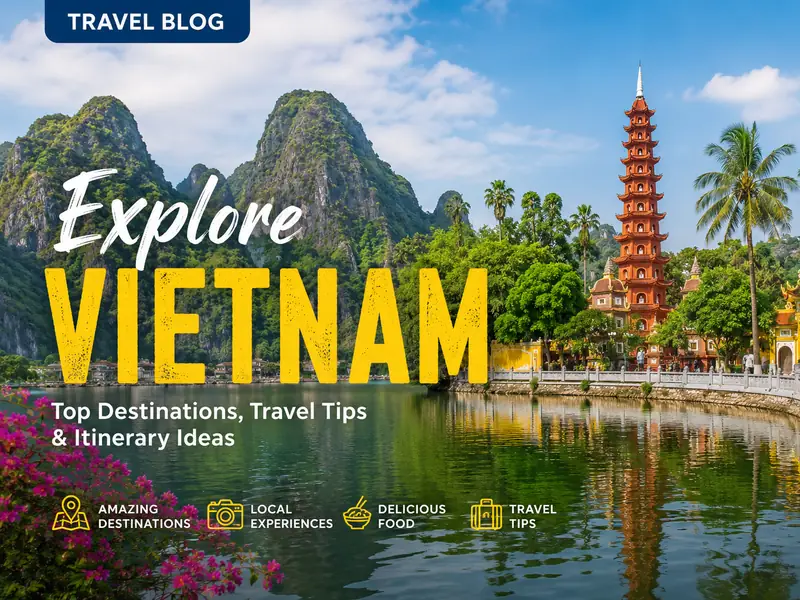
Easter in Vietnam brings together a small but visible Christian community, colonial-era churches and holiday options that suit both culture-seekers and outdoor travellers. Visitors will find functioning cathedrals in cities, coastal church ruins, and a range of excursions—from mountain treks in the north to multi-day cruises in Halong Bay.
What Easter in Vietnam Means and Where It Comes From
Christianity first arrived in Vietnam during the 16th century and expanded notably during the 19th century, when French influence grew across the country. Today Christians account for roughly 10% of the population—about nine million people—though they are unevenly distributed across provinces and communities.
Because the Christian population is a minority and often concentrated in specific localities, Easter is not a nationwide public holiday in the way it is in some Western countries. Instead, observances are centred on parishes and regional church congregations, many of which still use buildings dating from the colonial period.
Key Places and Highlights to Visit on Easter
Urban visitors often head to long-established cathedrals where Easter services and associated activity draw local worshippers. In Hanoi, an iconic example is St. Joseph Cathedral near the Old Quarter, a late 19th-century structure that remains an active parish and attracts large Sunday crowds.
Outside city centres you can find other church sites with different characters: some remain in regular use, others survive as evocative ruins beside fishing villages or coastal marshes. The coastal ruin commonly called Trai Tim ("The Heart") in the Hai Hau area is one such site; it was abandoned in the 1990s after seawater damaged nearby structures and is often photographed around sunset.
Other notable highlights
- Historic parish churches in Hanoi, Ninh Binh and Nam Dinh reflect 19th-century architecture and ongoing local worship.
- Hai Hau’s seaside ruins and village life offer quieter, less touristed scenes for photography and observation.
- Halong Bay cruises provide a contrasting seaside itinerary for travellers who prefer beaches and calm waters over inland visits.
Practical Tips for Visiting During Easter
Plan transport and accommodation early if you intend to attend a well-known cathedral service or take popular cruises: weekend church services and multi-day boat trips can draw both locals and tourists. Many small towns and villages do not have the same level of tourist infrastructure as big cities, so expect a simpler experience outside urban hubs.
Weather in April tends to favour northern highlands and coastal areas for different reasons: mountain trails generally become more accessible and offer cooler conditions for trekking, while coastal regions start to warm up for beach-oriented activities. For details on mountain-season conditions, consult sources that cover regional climate such as Sapa weather in April.
- Dress respectfully if you plan to enter churches—modest clothing is appreciated by congregations.
- If you aim to photograph coastal ruins at golden hour, the late-afternoon window is commonly recommended by photographers.
- Book Halong Bay cabins and inland tour guides in advance during holiday weekends if you want guaranteed availability.
Cultural Context: Christianity and Local Traditions
The practice of Christianity in Vietnam coexists with other major religious and cultural traditions. While some churches operate as tourist sites, many remain functional community centres where Sunday worship and seasonal observances—such as Easter—are observed by parishioners.
Language, ritual style and community scale vary by region. In urban parishes you may find larger, mixed congregations, whereas rural or coastal chapels can be smaller and more locally focused. Visitors typically note the contrast between busy city services and the quieter rhythms of village worship.
Food and local cuisine are a significant part of the wider travel experience around religious visits; when in Hanoi, for example, many travellers combine sightseeing with sampling local dishes—see a practical guide to one Hanoi staple at Hanoi chicken pho.
Who Will Enjoy Easter in Vietnam
Different visitor profiles will find different Easter activities appealing. Religious travellers seeking active parish celebrations should focus on cities and districts with established Christian communities. Photographers and cultural observers may prefer coastal church ruins and fishing villages for atmospheric scenes.
Outdoor enthusiasts who want a seasonal, nature-based escape often use the Easter period to travel north for trekking and homestays with ethnic-minority communities. Typical northern expeditions last several days and give time to see mountain scenery, local markets and traditional crafts.
- Religious/cultural visitors: major cathedrals in Hanoi and other provincial centres.
- Photographers and low-volume tourists: coastal ruins and small village churches.
- Outdoor travellers: multi-day treks and homestays in the northern highlands.
Comparisons and Alternatives: How to Spend the Easter Break
If you are weighing options, Vietnam offers a range of experiences—religious services in cities, quiet coastal visits, active mountain treks and longer cross-border tours to neighbouring countries. Which fits best depends on the time you have and the type of holiday you prefer.
For a coastal alternative that focuses on island scenery and water activities rather than churches, consider arranging a multi-day cruise around Halong Bay; for detailed seasonal conditions in the harbour and islands, consult climate guides such as the Cat Ba weather guide.
| Option | Typical duration | Best for | Main features | Notes |
|---|---|---|---|---|
| City cathedral visit | Half day–1 day | Culture and worship observation | Historic architecture, active services | Large congregations on weekends; plan for crowds |
| Coastal church ruins | Half day–1 day | Photography, village life | Derelict structures, seaside settings | Limited tourist facilities; best lighting late afternoon |
| Northern trekking tour | 4–8 days | Hiking and cultural exchange | Mountain trails, ethnic-minority homestays | Requires more travel time and basic logistics |
| Halong Bay cruise | 2–3 days | Relaxation and seaside scenery | Island views, boat accommodation, water activities | Popular in spring; book cabins early |
| Vietnam–Cambodia itinerary | 10+ days | Extended regional exploration | Multi-region highlights across two countries | Suitable for travellers wanting a long, varied trip |
Frequently Asked Questions
Is Easter widely celebrated across Vietnam?
Christian observance is concentrated where Catholic and Protestant communities are present; Easter is celebrated actively in those communities but it is not a nationwide public holiday in the way it might be elsewhere.
Where in Vietnam are the most historic churches located?
Many historic churches trace back to the colonial era and are found in cities such as Hanoi, and provinces like Ninh Binh and Nam Dinh. Some city cathedrals remain active parish centres while others are more tour-focused.
Can I attend an Easter service as a visitor?
Yes—most churches welcome visitors, but it is polite to follow local customs: wear modest clothing, observe silence during services and avoid photography that might disrupt worship unless given permission.
What are good non-religious options for Easter break travel?
Alternatives include multi-day treks in the northern highlands, short cruises in Halong Bay, or longer combined tours that include neighbouring Cambodia. Which option suits you depends on the time available and whether you prefer outdoor activities or coastal relaxation.
When is the best time of day to photograph coastal ruins?
Many photographers and visitors report that late afternoon light—roughly the hour before sunset—produces the most evocative images, especially on open coastlines where structures face the sea.