
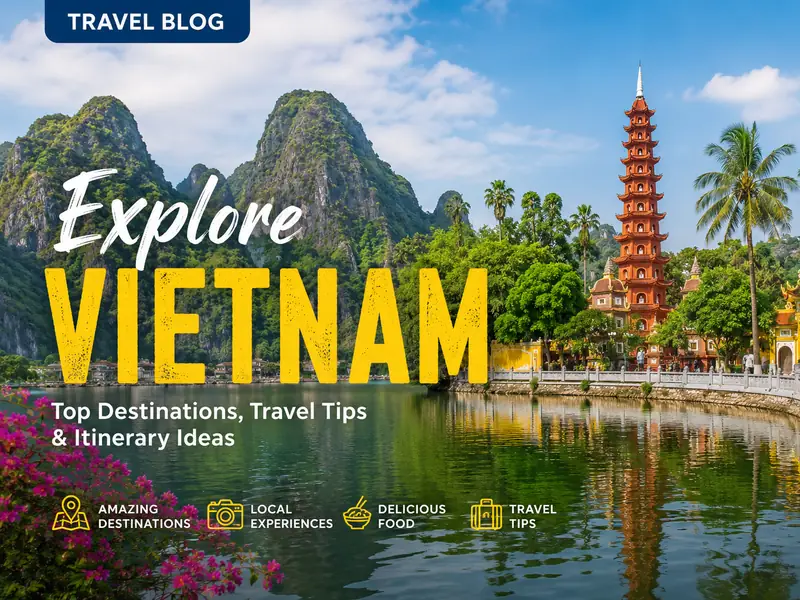
Laos occupies a central geographical position within mainland Southeast Asia, sharing borders with China, Vietnam, and Cambodia. This landlocked nation attracts numerous visitors seeking to experience its distinctive cultural heritage, historical sites, and natural environment. From its capital city to ancient religious structures, Laos presents a compelling destination for those interested in regional traditions and historical depth.
The country's appeal stems from its blend of preserved customs and significant historical locations. Travelers often find themselves drawn to the serene pace of life and the opportunities to observe traditional practices. Understanding the key cities and their offerings can enhance a visitor's appreciation for what Laos provides.
Laos's Geographical Context and Regional Appeal
Positioned strategically in Southeast Asia, Laos is bordered by several other nations, including China to the north, Vietnam to the east, and Cambodia to the south. This location contributes to its diverse cultural influences and historical connections within the region. Southeast Asia generally draws considerable international tourism, with many countries in the area serving as primary destinations for travelers from various parts of the world, particularly North America and Europe.
The broader Asian continent offers a wide array of attractions for visitors, encompassing diverse natural settings, historical narratives, and cultural practices. While numerous Asian countries boast their own unique points of interest, Laos stands out with its particular array of features that draw a steady stream of international guests, inviting them to engage with its intrinsic beauty and traditions.
Key Destinations and Cultural Highlights in Laos
Laos features several important cities and historical sites that form the core of its appeal to travelers. Vientiane, the nation's capital and largest urban center, holds considerable significance not only within Laos but also regionally. It serves as a central hub for commerce and culture.
Another city that frequently captures the interest of visitors is Luang Prabang. This location enjoys widespread recognition both domestically and across Asia for its preserved heritage and atmosphere. Beyond these urban centers, Laos is home to numerous historical structures, museums, and temples that offer insights into its past.
Exploring Luang Prabang
Luang Prabang is a city well-regarded for its accessibility and opportunities for cultural engagement. Visitors often explore the city's central areas and its surrounding rural landscapes on foot, allowing for direct interaction with local residents and observation of traditional customs. The pace of life here encourages a more reflective travel experience.
For those wishing to cover more ground and reach less accessible areas, touring Luang Prabang by motorcycle is a common recommendation. Cycling through the city and its environs can provide a faster way to navigate, allowing access to remote locations and enabling visits to various renowned sites efficiently. Many travelers find that exploring Laos's cultural heritage offers a deeper connection to the country.
Historical and Spiritual Landmarks
Among the many historical sites in Laos, Wat Phou stands out for its profound historical and architectural importance. This ancient Buddhist temple complex is recognized as one of the oldest such structures globally, with its origins tracing back to the 5th century. Its enduring presence offers a tangible link to the country's distant past.
Visitors to Wat Phou can observe the ancient architecture and appreciate its historical relevance. The elevated position of the complex also provides expansive views of the surrounding area, adding to the experience. Such sites underscore the deep spiritual and historical roots embedded within the Laotian landscape.
Planning Your Visit to Laos
When considering a trip to Laos, careful planning can enhance the overall experience. The country offers a range of activities, from exploring historical temples to engaging with local communities. Given its location, Laos can also be part of a broader Southeast Asian itinerary. For those interested in extended regional travel, a comprehensive trip like the Indochina Cultural Discovery: Laos, Vietnam & Cambodia – 15 Days offers a structured way to see multiple countries.
It is generally advisable to arrange travel through reputable operators to ensure smooth logistics and access to various points of interest. While the source material did not provide specific addresses, phone numbers, or operating hours for the mentioned locations, visitors should verify these details closer to their travel dates. For travelers looking to combine their visit with neighboring countries, exploring options for Cambodia adventure activities or unhurried travel in Vietnam can complement a Laotian journey.
Frequently Asked Questions
What are the primary cities to visit in Laos?
The main cities often recommended for visitors to Laos include Vientiane, the capital, and Luang Prabang, known for its cultural significance and preserved heritage. Both offer distinct experiences, from urban exploration to historical and spiritual sites.
What historical sites are notable in Laos?
Wat Phou is a particularly notable historical site in Laos. It is an ancient Buddhist temple complex, considered one of the oldest in the world, with origins dating back to the 5th century. It provides significant historical and architectural interest.
How can one explore Luang Prabang?
Luang Prabang can be explored effectively on foot, especially in its central and rural areas, allowing for close interaction with local life. For reaching more distant or remote locations efficiently, many suggest touring the city by motorcycle or bicycle.
What makes Laos a compelling travel destination?
Laos attracts travelers due to its central location in Southeast Asia, its distinct cultural traditions, and its array of historical and spiritual sites. The country offers a chance to experience a different pace of life and engage with ancient customs and architecture.
Does Laos border other countries?
Yes, Laos shares land borders with several neighboring countries. These include China to the north, Vietnam to the east, and Cambodia to the south, contributing to its regional connectivity and cultural exchanges.