
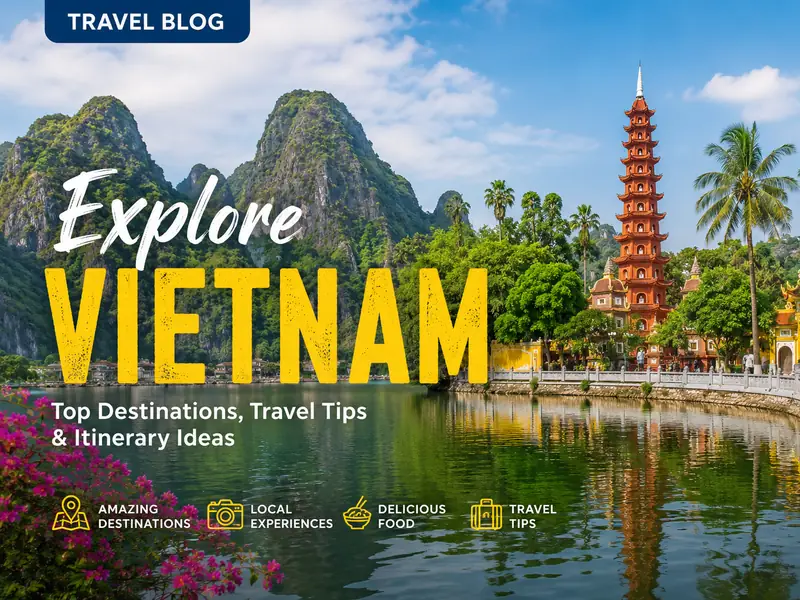
Da Lat, often referred to as a city of eternal spring, presents travelers with a refreshing escape into Vietnam's central highlands. Preparing for a trip involves gathering details about the various places to experience. Understanding the offerings of each destination ensures visitors can fully appreciate the region's natural beauty, cultural depth, and adventurous opportunities.
Exploring Da Lat's Natural and Cultural Landmarks
The region surrounding Da Lat is characterized by its distinctive topography, offering both natural splendor and insights into local heritage. Visitors can find a range of activities, from gentle exploration to more demanding physical challenges, alongside opportunities to learn about local traditions.
Langbiang Mountain, sometimes known as Lam Vien Mountain, stands prominently on the Langbiang Plateau within Lac Duong District, Lam Dong Province. Situated approximately 12 kilometers from Da Lat's urban core, this mountain provides a focal point for various outdoor pursuits. Activities available to those visiting include observing the diverse plant life, appreciating distinct aspects of ethnic minority cultures, and camping under the stars. For individuals seeking thrilling experiences during their trip to Vietnam, and particularly their exploration of Da Lat, options such as paragliding, rock climbing, ascending to the mountain's peak, and extensive hiking routes are available. The mountain is also associated with a poignant narrative concerning a young man named K'lang and a woman named Biang, whose love story was complicated by a longstanding conflict between their respective communities.
The Valley of Love is recognized as a particularly suitable destination for couples. Much like enduring affection that triumphs over difficulties, this valley overcame past challenges to gain its current appealing designation. The area is described as a remarkably scenic and inspiring location within Da Lat, complemented by other notable valleys and expansive pine forests. A central feature is Da Thien Lake, which contributes to the valley's refined allure and grandeur. From here, visitors may follow natural pathways leading to Vong Canh Hill, a point often considered to offer the finest perspectives of the Valley of Love. From this elevated position, Langbiang Mountain’s summit appears even more striking against the sky. Guests can enjoy various recreational options, including riding horses, operating paddle boats, or embarking on a jeep safari.
Water Features and Serene Retreats in Da Lat
Da Lat's landscape is further defined by its significant water bodies, which offer tranquil settings and opportunities for both relaxation and adventure. These sites are integral to the region's appeal, providing a contrast to the mountainous terrain.
It is commonly stated, without exaggeration, that Tuyen Lam Lake is considered the 'Paradise Lake' of Da Lat. The origin of this name and its exact timing are not precisely known, but local residents interpret its meaning by dividing the name: 'Tuyen' signifies a stream, and 'Lam' denotes a forest. Consequently, Tuyen Lam presents expansive and impressive vistas where water and trees are perfectly balanced, creating an earthly paradise. Activities here include camping, general sightseeing, trekking, fishing, and mountain climbing. Adding to its peaceful character, Tuyen Lam was formally recognized as a Cultural Historical Heritage site on August 30th, 1998.
The Datanla Falls offer both a captivating narrative and opportunities for adventure. The legend of Datanla tells of local inhabitants who once referred to the waterfall as 'Da Tam N'nha.' They reportedly discovered the fall while exploring a stream concealed by foliage, believing it to be a place where celestial beings frequently descended to bathe. When the waterfall became more widely known, the indigenous people adapted 'Da Tam N'nha' into 'Datania,' leading to its present name. An adventure at Datanla provides a rewarding experience, as it is one of Da Lat's notable locations and an ideal spot to test one's abilities. Participating in activities here, such as exploring the surrounding forest, climbing the cliff faces, and walking alongside the stream, can provide powerful sensations.
Spiritual Reflection at Truc Lam Pagoda
Beyond its natural attractions, Da Lat also offers sites for spiritual contemplation and cultural appreciation. These locations provide a different kind of experience, focusing on peace and architectural beauty.
Truc Lam Pagoda, constructed between 1993 and 1994 under the guidance of the esteemed Buddhist monk Thich Thanh Tu, occupies a favorable position and features an Eastern architectural design. Its appealing and calm surroundings make it a suitable location not only for meditation but also for general visits. Those who visit Truc Lam Pagoda often report experiencing inner calm and finding relief from mental concerns. The serene atmosphere and thoughtful design contribute to a sense of tranquility, making it a popular spot for both spiritual seekers and tourists.
Planning Your Visit to Da Lat's Attractions
When planning a trip to Da Lat, considering the local climate and transportation options will enhance your experience. The city's highland location means cooler temperatures compared to other parts of Vietnam, making it a pleasant destination year-round, though seasons do vary. For a comprehensive understanding of regional weather patterns, consult a Vietnam seasonal weather guide.
Many of Da Lat's attractions, especially natural sites like Langbiang Mountain and Tuyen Lam Lake, are spread out, so arranging transportation is important. Options typically include taxis, motorbikes (rented or with a driver), or organized tours. While specific operational details like addresses, phone numbers, and opening hours for these natural and religious sites were not provided in the source material, it is advisable to check current conditions and access information locally upon arrival. For travelers considering an extensive exploration of the country, a 15-day Vietnam Grand Tour can incorporate a visit to Da Lat among other key destinations.
Frequently Asked Questions
What kind of activities are available in Da Lat's natural areas?
Da Lat's natural areas, such as Langbiang Mountain and Datanla Falls, offer a wide array of activities. These include hiking, trekking, paragliding, mountain climbing, exploring forests, and cliff climbing for adventure seekers. More relaxed options like camping, sightseeing, horse riding, and boat paddling are also available at places like Tuyen Lam Lake and the Valley of Love.
Is Da Lat suitable for couples?
Yes, Da Lat is widely considered a romantic destination, particularly with attractions like the Valley of Love. This location is specifically highlighted as ideal for couples, offering scenic views, tranquil settings, and activities such as horse riding and boat trips that can be enjoyed together.
What is the historical significance of Tuyen Lam Lake?
Tuyen Lam Lake holds cultural historical significance, having been designated as a Cultural Historical Heritage site on August 30th, 1998. Its name, derived from 'Tuyen' (stream) and 'Lam' (forest), reflects its natural harmony, and it is often referred to as 'Paradise Lake' due to its serene beauty.
How can one experience the local culture in Da Lat?
Local culture in Da Lat can be experienced through various avenues. Visiting Langbiang Mountain offers opportunities to appreciate distinct aspects of ethnic minority cultures. Additionally, exploring sites like Truc Lam Pagoda provides insight into Vietnamese spiritual traditions and architectural styles, contributing to a deeper cultural understanding.