
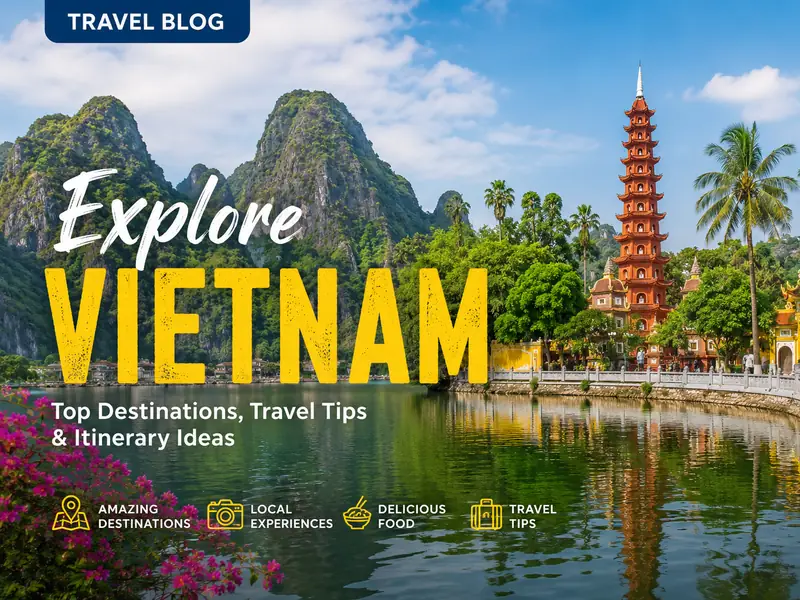
The Mekong Delta in southwest Vietnam is widely recognized for its calm waterways and verdant natural scenery. Visiting this region during one of its traditional festivals presents a unique opportunity to connect with the area's rich cultural heritage and observe local customs firsthand. These celebrations provide a window into the spiritual life and community spirit that define this agricultural heartland.
Understanding the timing and significance of these events can greatly enhance a trip to the delta, offering insights into the traditions of its diverse populations, including the ethnic Khmer community. From solemn religious ceremonies to lively competitions, the festivals reflect the deep-rooted beliefs and daily rhythms of life along the Mekong River.
Key Festivals of the Mekong Delta
The Mekong Delta is home to several distinct annual festivals, each with its own history and set of practices. These events are often tied to the lunar calendar, agricultural cycles, or specific ethnic traditions, providing a rich cultural experience for those who plan their visits accordingly.
Coconut Offerings Festival (Thac Con Festival)
This annual event, known locally as Thac Con, takes place on the 15th day of the second lunar month. It is observed in An Hiep Commune, Chau Thanh District, within Soc Trang Province. A distinctive aspect of this festival is the use of coconut fruits to craft decorative flower vases for offerings. Additional items presented include fresh sweets, various fruits, and flowers.
These offerings symbolize the community's hopes for happiness, tranquility, good fortune, successful harvests, and overall prosperity for the coming year. The festival is a significant expression of local spiritual beliefs and a testament to the region's connection to its natural resources.
Ok Om Bok Festival
Among the significant celebrations in the Mekong Delta, the Ok Om Bok festival holds particular importance for the local Khmer population. Annually, on the 14th and 15th days of the 10th lunar month, residents perform moon worship ceremonies, initially at their homes and later concluding at the local pagoda. This practice gives the festival its alternative name, the "Moon Worshipping Ceremony."
Key activities during Ok Om Bok include spirited wooden boat races, the release of paper lanterns onto the water, and performances of traditional Khmer dances. These elements combine to create a lively and culturally rich event that draws communities together in celebration and reverence for the moon, a vital element in their agricultural cycle.
Cow Racing Festival
An Giang Province is particularly known for its Cow Racing Festival, an event held annually from the 19th of August to the 1st of September according to the lunar calendar. The festival's purpose is to honor ancestors and express gratitude. Competitions occur at specific locations such as Thamit Pagoda and Ta Miet Pagoda, drawing numerous attendees from both Vietnam and abroad.
During the race, selected pairs of cows navigate a muddy rice field, aiming to reach the finish line first. A critical skill for the cow controllers is maintaining a consistent speed for both animals throughout the course. This event provides a direct insight into a distinctive regional tradition. For those interested in the broader cultural landscape of the region, exploring Chau Doc's spiritual sites can offer further context.
Chol Chnam Thmay Festival
The Chol Chnam Thmay festival is another important celebration for the Khmer community in the Mekong Delta. Its meaning closely parallels that of the Vietnamese Tet holiday, which is the traditional Lunar New Year observed by the majority Kinh people. During Chol Chnam Thmay, Khmer individuals typically take a break from work to engage in various festive activities.
These often involve preparing traditional foods like "banh chung" (a type of traditional cake associated with Tet), arranging fruits and flowers for Buddha worship, and decorating homes with bright colors. The festival is a time for renewal, family gatherings, and expressing hopes for a prosperous new year. For visitors interested in understanding the broader context of Vietnamese New Year celebrations, learning about Tet holiday customs can be very informative.
Planning Your Festival Experience
Attending a festival in the Mekong Delta requires some advance planning, especially concerning the dates, which follow the lunar calendar. This means the Gregorian calendar dates will vary each year. It is advisable to verify the exact dates for your intended visit with local tourism resources or guides.
Accommodation and transport can become more limited during these popular periods, so securing reservations well in advance is recommended. Visitors should also consider local customs and dress respectfully, particularly when attending ceremonies at pagodas or other religious sites. Engaging with local communities during these times offers a deeper appreciation of their traditions and way of life.
Cultural Significance and Local Traditions
The festivals of the Mekong Delta are more than just public celebrations; they are deeply rooted in the spiritual beliefs, agricultural cycles, and community structures of the region. Many events, like the Coconut Offerings Festival, reflect a profound connection to the land and water, expressing gratitude for harvests and seeking blessings for future prosperity. The Ok Om Bok festival, with its moon worship, highlights the reverence for natural elements that sustain life in the delta.
These gatherings also serve to reinforce community bonds and preserve cultural identity, especially for ethnic minority groups like the Khmer. They provide occasions for families to reunite, share meals, and pass down traditions to younger generations. Understanding these underlying meanings enriches the visitor's experience beyond mere observation, offering a genuine connection to the local heritage.
Exploring the Mekong Delta Beyond Festival Dates
While festivals offer unique cultural insights, the Mekong Delta remains a compelling destination throughout the year. The region is renowned for its intricate network of rivers and canals, lush fruit orchards, and floating markets. Visitors can take boat trips to observe daily life along the waterways, sample local produce, and explore traditional craft villages.
Activities such as cycling through rural paths, visiting local farms, and enjoying regional cuisine are readily available. For a comprehensive overview of what the region has to offer, consider exploring various Mekong Delta activities. For those considering a multi-day trip that includes the delta, a Southern Vietnam family discovery tour can provide a structured way to experience both Ho Chi Minh City and the tranquil delta.
Festival Overview Table
| Festival Name | Primary Location | Approximate Lunar Date | Key Activities |
|---|---|---|---|
| Coconut Offerings Festival (Thac Con) | An Hiep Commune, Chau Thanh District, Soc Trang Province | 15th day of 2nd lunar month | Coconut flower vase offerings, prayers for prosperity |
| Ok Om Bok Festival | Khmer communities across Mekong Delta | 14th & 15th days of 10th lunar month | Moon worship, wooden boat racing, lantern release, traditional dances |
| Cow Racing Festival | Thamit Pagoda & Ta Miet Pagoda, An Giang Province | Aug 19th - Sep 1st (lunar calendar) | Cow races through muddy fields, ancestor commemoration |
| Chol Chnam Thmay Festival | Khmer communities across Mekong Delta | Similar to Vietnamese Tet holiday (Lunar New Year) | Family gatherings, traditional food preparation, Buddha worship, house decoration |
Frequently Asked Questions
What is the best time to visit the Mekong Delta for festivals?
The best time depends on which specific festival you wish to experience, as they occur at different points in the lunar calendar. For example, the Coconut Offerings Festival is in the second lunar month, while Ok Om Bok is in the tenth. It is essential to check the lunar calendar for the exact Gregorian dates each year, as they shift annually.
Are these festivals open to international visitors?
Yes, these traditional festivals are generally open to both domestic and international visitors. Attending offers a valuable opportunity to observe and learn about local culture. Visitors are encouraged to be respectful of local customs and traditions, particularly when participating in or observing religious ceremonies.
What should visitors wear when attending a festival?
When attending festivals, especially those involving temple or pagoda visits, modest attire is recommended. This typically means covering shoulders and knees. Comfortable footwear is also advisable, as you may be walking or standing for extended periods, and some festival grounds might involve uneven terrain.
How do the Khmer festivals differ from other Vietnamese celebrations?
Khmer festivals, such as Ok Om Bok and Chol Chnam Thmay, are distinct in their specific rituals, deities honored (like the Moon in Ok Om Bok), and cultural expressions, including unique dances and traditional foods. While sharing some broader themes with other Vietnamese celebrations, they reflect the unique heritage and spiritual practices of the Khmer ethnic group within Vietnam.
Is it necessary to book accommodation in advance during festival periods?
Yes, it is highly recommended to book accommodation and transportation well in advance if you plan to visit during a festival. Popular events can attract significant crowds, leading to limited availability and potentially higher prices for lodging and travel services in the immediate vicinity of the celebrations.